What Is Ariocarpus? Get to Know This Succulent Plant
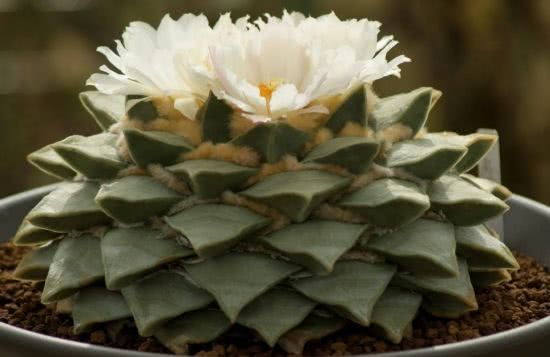
Native range of Ariocarpus: northern Mexico, a succulent cactus that grows in the subtropics. Ariocarpus is semi-buried in the soil and has a very large taproot. The upper part is flat, 6-12 cm in diameter, with triangular tubercles that overlap to form transverse wrinkles. Ariocarpus has no crown at all and is gray, making it very easy to hide itself in its growing site. The top of Ariocarpus has wool, and after several years of growth it produces large pink or yellow flowers. Ariocarpus contains bitter and toxic alkaloids, such as hordenine. These alkaloids can protect the plant itself from being eaten by herbivorous animals.
Ariocarpus
A spineless cactus plant with thick, fleshy taproots. The plant is spherical or flattened-spherical, grayish-green, covered with a white powder. It has many tubercles arranged in a rosette, green or grayish-green, with the surface covered in white powder, flat or slightly concave on top, and smooth; it appears to have no spines, and in fact the newly grown tubercles in the middle of the plant do have spines, but they are very small and wither early, so it looks spineless. Between the tubercles there is white or pale yellow wool. It blooms in summer, with flowers borne at the center of the stem, and white tepals; the berry is smooth, later becoming dry, and the seeds are black.
Ariocarpus
It prefers a warm environment with plenty of sunlight and good air circulation, is cold-hardy, and is suited to well-drained, airy gravelly soil; it is drought-tolerant and dislikes waterlogging. In winter it requires cool conditions and the potting soil should be kept dry; it is relatively cold-hardy. Own-rooted plants grow very slowly, the mother plant has a very low seed-setting rate, and the fruit takes a very long time to mature.
Ariocarpus
Population Status
Endangered category: vulnerable.
Protection level: third class.