Spider plant leaf tips always drying up? It's most likely these care mistakes
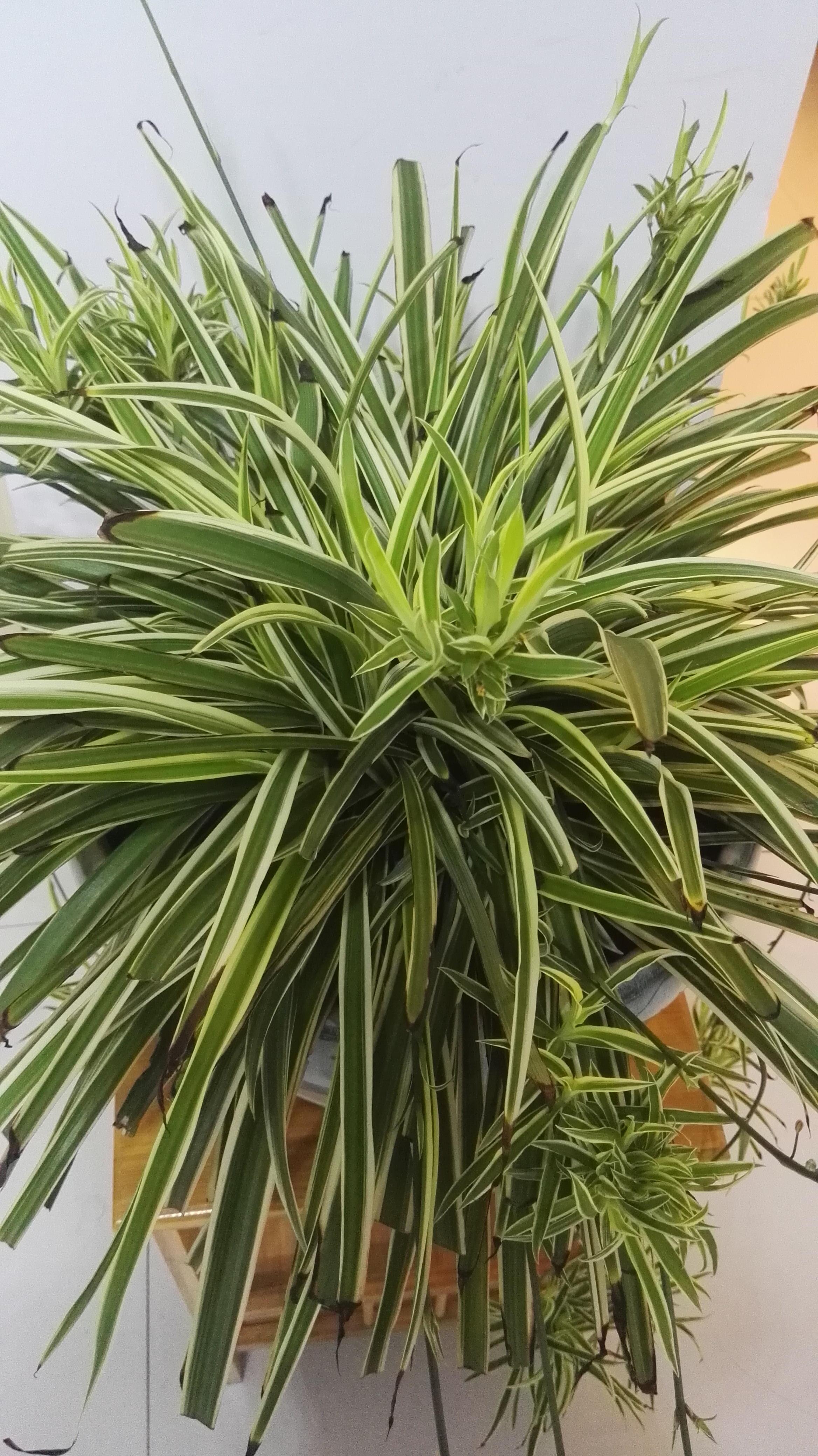
Spider plants are a common indoor green plant, and many gardening enthusiasts often complain that the leaf tips of this spider plant dry up at the drop of a hat, which is really annoying. So how should you solve dry spider plant leaf tips?
First, we need to know the cause. Dry spider plant leaf tips generally come from the following situations:
1. Potting soil too wet
The roots of spider plants are fleshy roots with a strong water-storage capacity, so they are fairly drought-tolerant. If the soil is too sticky and heavy, its air permeability will worsen, and combined with overwatering, the roots will start rotting in no time. This reduces the roots' absorption capacity, causing the spider plant's leaf tips to lose water and the tips to turn black. So what should you do? It is recommended to take the plant out of the pot and let the roots dry, prune the roots, dip them in some plant ash, change to new soil and repot. If overwatering was the cause, the original soil can still be reused.
2. Fertilizer concentration too high
There is an unchanging rule in the world of fertilizing - apply thin fertilizer frequently. If you fertilize too much, it will burn the roots, so friends, absolutely do not let your hand slip. Those with a shaky hand who use their own homemade fertilizer must make sure it is fully fermented and diluted before use. If you find that too troublesome, you can use a purely plant-fermented organic nutrient solution, dilute it according to the instructions, and not worry about fertilizer burn. Apply once about every 7 days, and no fertilizing is needed in summer when the temperature is above 30°C. This way the spider plant will grow vigorously and its leaves will be lush and green.
3. Not repotting for a long time
Generally, potted plants are best repotted once every 1-2 years. If you do not repot for a long time, the pot will be filled with old roots, air permeability will worsen, some roots will die from lack of oxygen, and the roots' absorption capacity will decline, so leaf tips easily dry up and turn black. If this is the case, it is recommended to cut off the withered black leaves and bad roots, disinfect and sterilize the wounds before repotting, place it in a cool, ventilated spot, and spray water frequently. Once the spider plant grows new leaves, you can care for it normally.
4. Air humidity too low
Spider plants like moist environmental conditions. When the air is dry, the plant feels uncomfortable just like people do. Once summer arrives, spider plants easily get dry, black leaf tips. How do you solve this? The simplest way is to buy a humidifier, and you do not even have to do anything yourself. Otherwise, you need to spray the leaves often. Besides that, you can also use a tray, put some small gravel on the tray, then place the flowerpot on the gravel and let the water evaporate naturally to achieve a humidifying effect.
5. Light too strong
If people stay in the sun for a long time, they easily get heatstroke and dehydration, and plants are the same. If the sunlight in summer and autumn is too strong and the temperature is too high, and water cannot be supplied to the leaves in time, then spider plants can also easily get heatstroke. But if light is lacking, the leaves easily turn yellow. So in summer and autumn, avoid direct sunlight, and shade 50%-70% of the sunlight during the day, or simply place the spider plant in a semi-shaded environment.
Summer is about to arrive, friends, remember to increase the air humidity, otherwise the spider plant leaf tips will dry up again~