What other names does Calibrachoa have? A complete guide to getting to know it
Morphological characteristics of Calibrachoa
The plant of Calibrachoa is covered with dense fine fuzz, and the leaves are shaped like inverted needles or narrow ellipses.
It has semi-lignified flower stems, and compared with general Solanaceae plants, Calibrachoa is more resistant to rain.
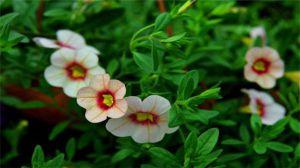
The corolla of the flower is funnel-shaped, and the petals are very small, but the number of flowers is astonishing; when in full bloom it looks like a waterfall pouring down. The name "million little bells" comes from the tiny flowers that closely resemble beautiful little bells. Compared with ordinary petunias, its flowers and leaves are both smaller, but the blooming period of a single flower is longer; each flower stays open for about a week. The flowers cover the branches like a waterfall, and the little blooms are very lovely. Because the flowers look like bells and are extremely numerous, people affectionately call it "million little bells." Similar to petunia, the flowers are slightly smaller, but more numerous, denser, and longer-lasting, and therefore more popular. Those who own "million little bells" call themselves "millionaires." If you own 10 pots of "million little bells," then you are a "ten-millionaire," the kind of person everyone envies, is jealous of, or even wants to "rob."
Calibrachoa'sgrowth habits
Although Calibrachoa has a relatively long flowering period, its ability to adapt to the environment is average, and only careful maintenance can make year-round flowering possible.
The flower language of Calibrachoa
The flower language of Calibrachoa is similar to that of petunia, carrying the beautiful meaning of "being with you."