What are the characteristics of Agapanthus? A comprehensive analysis of its plant features
Other names for Agapanthus
Purple clivia, blue-flowered clivia, African lily
Growth habits of Agapanthus
Agapanthus prefers warm, humid and sunny environments. It requires cool summers and warm winters, with temperatures of 20-25°C from May to October and 5-12°C from November to April. If the soil is too moist in winter with temperatures exceeding 25°C, the stems and leaves grow vigorously, hindering dormancy and directly affecting normal flowering the following year.
Light also has a certain influence on growth and flowering. Avoid prolonged direct strong light in summer, and ensure sufficient sunlight during winter cultivation. The soil should be loose, fertile sandy loam with a pH of 5.5-6.5, and waterlogging must be strictly avoided.
Main values of Agapanthus
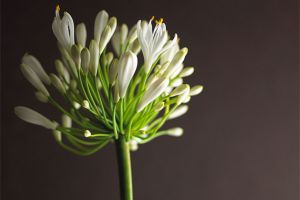
Agapanthus has deep green, glossy leaves and blue-purple flowers, and there are also white, purple-flowered, large-flowered and variegated-leaf varieties. It blooms from June to August with elegant flower shapes, suitable for potted indoor ornamental display. In the south, it can be cultivated in semi-shaded locations as an accent plant for rock gardens and flower borders.
The flower language of Agapanthus
The visit of love, the communication of love