What Is Goji Berry? A Complete Guide to Goji Berry
Other Names for Goji Berry
Goji berry has quite a few folk names, including sweet beet seed, dog nipple, red green pepper, gouqi seed, goji red fruit, gouqi hoof, goji fruit, diguzi, and others.
Growing Habits of Goji Berry
Goji berry likes a cold and cool environment and is very cold-resistant. Generally, at around 7°C, the seeds can germinate, and the seedlings can even withstand lows of minus 3°C.
In spring, when the temperature is above 6°C, the young shoots slowly emerge. Goji berry can pass through minus 25°C completely unharmed. The roots of the goji berry are very well developed and extremely drought-tolerant. Conversely, waterlogging is bad for its growth.
Most goji berries grow on alkaline soil and sandy soil, and are best cultivated in relatively deep, fertile soil.
The Value of Goji Berry
Medicinal value: The fruit of the goji berry is called gouqizi in traditional Chinese medicine, and its medicinal effects are the same as those of Ningxia goji; the root bark is called digupi in traditional Chinese medicine and has the effect of clearing heat and relieving cough. Extracts of goji berry, including goji polysaccharides, betaine and goji pigments, have therapeutic effects on a variety of diseases.
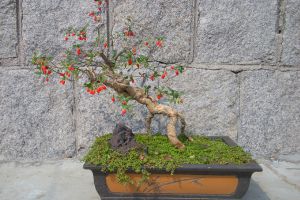
Ornamental value: The Ningxia goji tree has a graceful shape, with red fruit and green leaves, and has very high ornamental value; it can also be used as an ornamental plant.
Food value: The tender leaves are used as a vegetable and have already become popular in Guangdong, Guangxi and other regions.