Did you know that the areca palm actually has other names too?
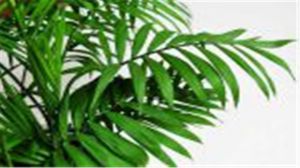
Other names for the areca palm
Bamboo palm, yellow palm, purple palm.
Habits of the areca palm
The areca palm is a tropical plant and likes a warm, humid, semi-shaded environment. Its cold tolerance is poor, and the leaves turn yellow when the temperature falls below 20°C. In winter it can overwinter safely when the temperature stays above 10°C, and it will freeze to death at 5°C.
Areca palm seedlings grow slowly, but once they develop into young plants they grow rapidly. It prefers loose, well-drained, fertile soil. Its branches and leaves are dense, it stays evergreen all year round, and it has strong shade tolerance.
For areca palms grown outdoors in northern China, they are generally brought indoors from late September to early October and must be placed in a spot with ample sunlight. During the overwintering period, the room temperature should be 23-25°C during the day and maintained at 15°C at night, and must stay above 8°C at the very least, otherwise the plant will suffer cold damage and die in winter or spring; during the overwintering period, also pay attention to regularly wiping the leaf surfaces or spraying a small amount of water on them to keep the leaves clean.
Symbolism of the areca palm
Gentle beauty.
Uses of the areca palm
Medicinal:Fresh areca palm is harvested, the leaves removed, and after drying in the sun it can be decocted and taken orally; it has astringent and bleeding-stopping effects.
Landscaping:The areca palm is mostly planted as an ornamental tree on lawns, in tree shade and beside houses. In northern regions it is mostly used as a potted plant, and is a high-grade potted foliage plant for decorating living rooms, dining rooms, conference rooms, studies and so on.