What kind of growing environment is suitable for honeysuckle
Other names for honeysuckle
Honeysuckle is also known as Japanese honeysuckle and mandarin duck vine
The habits of honeysuckle
Honeysuckle is a perennial semi-evergreen twining and creeping-stemmed shrub.
Honeysuckle has very strong adaptability; it likes sunlight, tolerates shade, has strong cold resistance, and also tolerates drought and moisture.
It is not strict about soil requirements, but grows best in moist, fertile, deep sandy soil, and sends out new shoots twice each year in spring and summer.
Its root system is dense and well developed, and the stems and vines can take root as soon as they touch the ground. However, in shaded places it tends to grow poorly.
It can reach an altitude of up to 1500 m.
Propagation methods
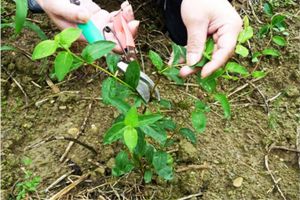
The main propagation methods of honeysuckle are seed propagation and cutting propagation
Common pests and diseases
Honeysuckle's common pests and diseases include: brown spot disease, powdery mildew, aphids, inchworms, anthracnose, and longhorn beetles