What environment makes a parlor palm grow better?
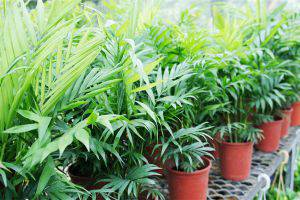
Other names for the parlor palm
Dwarf coconut, miniature palm, miniature fan palm, dwarf palm
Growing habits of the parlor palm
The parlor palm prefers a warm, humid, semi-shaded growing environment. The suitable growing temperature is 20-30°C. When the temperature drops below 13°C, the parlor palm enters dormancy, and the minimum winter temperature should be kept above 3°C for overwintering. The parlor
palm's growing medium is best as well-drained, moist, fertile loam; when potting, a medium made of leaf mold plus peat soil and a small amount of sand should be used.
The parlor palm has low fertilizer requirements; generally, apply liquid fertilizer 1-2 times per month during the growing season, and apply little or no fertilizer in late autumn and winter. Repot once every 2-3 years in spring.
Watering should follow the principle of keeping it moist rather than dry; just keep the potting soil consistently moist. In summer and autumn when the air is dry, frequently spray water on the plant to increase the ambient air humidity, which benefits its growth and also keeps the leaves dark green and glossy.
In winter, appropriately reduce the amount of watering to help it overwinter. The parlor palm prefers semi-shaded conditions and avoids direct sunlight in hot seasons. Under scorching sun, its leaf color will fade or turn yellow, and scorched leaves and black spots will appear, causing it to lose its ornamental value.
Parlor palm flower meaning
Vitality
The English species name of the parlor palm means graceful and exquisite, so the flower meaning and symbolic significance expressed by its English name is "vitality."