How adaptable is the crown of thorns (Euphorbia milii) really?
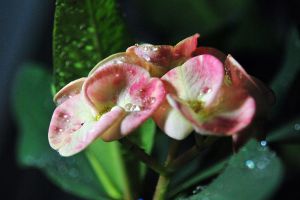
Other names for the crown of thorns
Tiger thorn, iron begonia, flower qilin, foreign thorn, foreign tree, foreign thorn plum, qilin thorn.
The growth habits of the crown of thorns
The crown of thorns likes warmth and light, tolerates drought, dislikes moisture and fears cold. It is suited to loose, well-drained sandy soil; as long as the environment is suitable it can bloom all year round, and especially in the Northern Hemisphere it blooms most profusely in winter.
Summer and autumn are the growing season for the crown of thorns; in winter a temperature above3°C allows it to overwinter safely. If the temperature is kept above15°C, along with sufficient sunlight, it can still continue to bloom. But higher air humidity will cause the leaves to drop and the plant to enter dormancy.
When the crown of thorns is in bloom, it requires ample nutrients; apply a top dressing once every half month, either organic liquid fertilizer or a compound chemical fertilizer.
The flower language of the crown of thorns
Stubborn yet steadfast, gentle yet loyal, fierce yet still refined.