What are the growth advantages of kumquat? A complete guide in one article
Kumquat is originally distributed in the provinces along the southeastern coast of our country, especially in the Guangdong region. In addition, it is also widely cultivated in South China and the middle and lower reaches of the Yangtze River. Now kumquat has become one of the important New Year festival flowers, deeply loved by the general public.
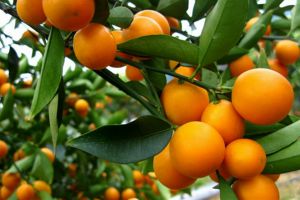
Other names for kumquat
Golden jujube, kumquat, little orange.
Morphological characteristics of kumquat
Kumquat belongs to the family Rutaceae, an evergreen shrub, 3 m tall, generally without thorns. Leaves lanceolate to long elliptic, flowers small, white, fragrant, petals 5, fruit obovate or elliptic, 2.5-3.5 cm long, golden yellow.
Ecological habits of kumquat
Kumquat likes sunlight and a warm, humid environment, is not cold-tolerant, slightly shade-tolerant, drought-tolerant, and requires well-drained, fertile, loose, slightly acidic sandy soil.
Kumquat is native to southern China and is widely distributed in the Yangtze River basin and the provinces and regions to its south, especially in the Guangdong region where it is most widely planted.
The flower language of kumquat
Great fortune and prosperity.