What are the characteristics and symbolic meanings of Vinca?
Other names for Vinca
Vinca is also called climbing periwinkle and periwinkle, and belongs to the genus Vinca.
Morphological characteristics of Vinca
Vinca is a trailing semi-shrub plant, with prostrate stems and upright flowering stems.
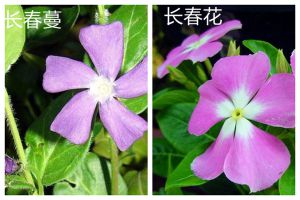
Vinca plants grow in clumps, slowly sending out vines from the base that spread across the ground. The entire plant is hairless except for hairs on the leaf margins, petioles, calyx and the throat of the corolla. Vinca leaves are entire and opposite, emerald green in color, with a smooth and glossy surface. Vinca blooms, with single flowers borne in the leaf axils, blue in color, with a funnel-shaped corolla tube and 5 petals that are very beautiful, making it a flowering ornamental plant.
Growth habits of Vinca
One of the major characteristics of Vinca's growth is that it is both heat-tolerant and cold-tolerant. Vinca prefers a warm and humid environment, likes sunlight and can also tolerate shade. A semi-shaded environment is the best place for its growth. It dislikes direct exposure to the scorching sun.
Vinca likes to grow in deep, fertile and moist soil, and requires good soil drainage, but alkaline, compacted, clayey soil with poor aeration must not be used.
Vinca dislikes wet conditions and fears waterlogging, so watering must be strictly controlled, but during the growing season water and fertilizer must be sufficient. During the growing season, fertilize once every half month, and apply phosphorus fertilizer and potassium fertilizer 2-3 additional times.
Propagation methods of Vinca
Vinca is mostly propagated by division and cuttings, and can also be propagated by layering, sowing and tissue culture.