What are the characteristics of the banyan tree? A complete guide to the banyan tree
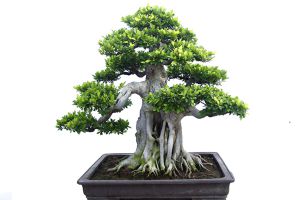
Other names for the banyan tree
Chinese banyan, Wannianqing, banyan aerial root.
Growing habits of the banyan tree
The banyan tree is fairly widely distributed and highly adaptable. It prefers loose, fertile acidic soil and can also survive in poor sandy soil. However, in alkaline soil, its leaves tend to turn yellow.
The banyan tree is not drought-tolerant but is tolerant of waterlogging, and short-term water accumulation will not cause root rot. In dry environments it grows poorly, while in humid environments it produces a large number of aerial roots. Outdoors, large banyan trees have higher ornamental value.
The banyan tree likes a sunny, warm and humid environment, is relatively suited to the climate of the south, and is not cold-tolerant. Apart from South China, it is mostly kept in the form of bonsai in other regions.
The symbolic meaning of the banyan tree
The banyan tree is a symbol of pure love and records the emotional journey of the human world. The banyan tree is regarded as a symbol of longevity and good fortune. It implies glory, wealth and honor, making it the best gift for birthday congratulations!