What other names does the olive flower have? Let us learn about the alternative names of the olive flower
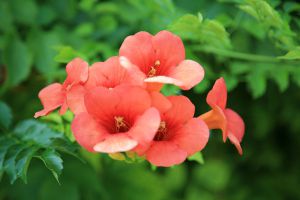
Alternative names of the olive flower
Huanglan, qingguo, shanlan, bailan, honglan, qingzi, jianguo, zhongguo
Growth habits of the olive flower
It grows wild in ravines and mixed woods on hillsides below 1,300 m in altitude, in mountains, low hills, and tropical monsoon forests and mixed woods at 150-250 m in altitude, or is cultivated in gardens and beside villages.
The olive tree has strong growth vigour and wide adaptability. It can be planted on riverbanks, sandbars, hills, slopes, and in front of and behind houses and on scattered plots of land, making it a good tree species for farmers to escape poverty and become prosperous. It has a graceful tree form and stays evergreen all year round, and it can also green the environment and purify the air.
Main value of the olive flower
Ornamental: Its crown is tall and upright, a deep green, and the undersides of its leaves are covered with white scales. Under sunlight, silvery white and emerald green bring out the best in each other, with a graceful and elegant bearing. The olive has panicles, and each panicle bears 10-20 small golden-yellow flowers with a fresh, rich fragrance.
Culinary: Fuzhou has many olive cultivars, mainly more than 10 kinds such as Lanzhixiang, Tanxiang, Huiyuan, Changying, Zilaiyuan and Yangshi. In restaurants and taverns in Fuzhou, fresh olives are pounded flat, pickled with red vinasse and served at the table; the flavour is unique and very popular.
Medicinal: Eaten raw or boiled and drunk, it can relieve drunkenness and counteract pufferfish poison. Chew the juice and swallow it to treat fish bones stuck in the throat and all kinds of fish and crab poisoning. It also has the effect of promoting saliva and quenching thirst, and treats sore throat and other conditions.
The flower language of the olive flower
Peace, tranquility, hope