What is the plum blossom called? Detailed introduction to the scientific name of Sageretia thea
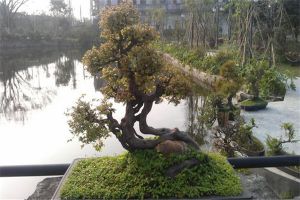
Alternative names for Sageretia thea
Suimizi, Cidonglu, Duijiaoci
Growth habits of Sageretia thea
Sageretia thea prefers a warm, humid climate. It is prone to frost damage in cold winters and is not cold-tolerant. Sageretia thea is fairly adaptable; as long as the soil is acidic, neutral or calcareous, it can grow normally and healthily.
Sageretia thea is also a plant tolerant of drought and waterlogging, and can adapt to poor soil. It prefers half shade and half sun. Its root system is well developed, and it mostly grows on hillside roadsides and in shrub thickets.
Bonsai making with Sageretia thea
First is sourcing the material: choose branches that have already grown for one year and carry out cutting propagation in March, or choose to sow seeds and raise seedlings when the fruit is ripe.
Next is pruning and shaping. To make a bonsai, pruning is necessary. Most people use the method of coarse wiring and fine pruning, and complete pruning can also be used to refine the shape. The tree shape can be made into double-trunk style, cascade style, exposed-root style and many other forms; you can try pruning according to your preferences.
Finally, potting. Pot it from February to March in spring, choose a purple clay pot with good drainage, and the potting soil needs loose, fertile, slightly acidic leaf mold.