What other names does the elm tree have? An introduction to common aliases of the elm tree
Other names for the elm tree
Siberian elm, elm seeds, spring elm, sticky bang tree Siberian elm, white elm
Growth habits of the elm tree
The elm tree grows and is distributed in the northern regions, mostly growing in valleys, hills and other places.
The elm tree likes sunlight and does not fear cold or drought. Its root system is very developed, so its growth vigor is extremely strong.
As for the soil for growing the elm tree, it can thrive in deep, fertile alluvial soil with good drainage, or on the Loess Plateau.
The value of the elm tree
The elm tree has medicinal value, garden ornamental and garden protection value, as well as uses in making furniture, bridges and so on.
Medicinal value: the fruit, bark, leaves and roots can all be used as medicine. They can treat insomnia, neurasthenia, physical weakness and edema and other conditions, and can also be used to stop bleeding.
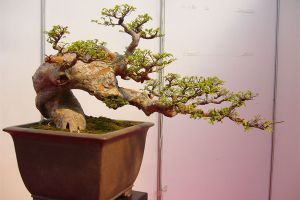
Garden value: the elm tree can be planted in gardens as a shelterbelt, which is both beautiful and helps consolidate soil and water, and can also be made into bonsai.
The elm tree can enrich our lives, making the furniture we need, such as tables and cabinets, and can be used to make farm tools, bridges, and for construction and so on. It is everywhere in our lives.