What are the characteristics of the Yucca elephantipes? A complete guide to this plant
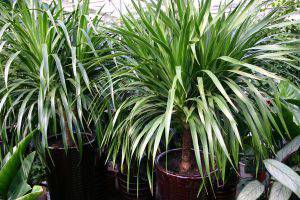
Morphological characteristics of Yucca elephantipes
Yucca elephantipes, also known as giant yucca, elephant's foot yucca and spineless yucca, is a foliage plant of the genus Yucca in the family Liliaceae. Its Latin name is Yucca elephantipes. The plant has a neat form, thick stems and firm, emerald-green leaves, giving it a strongly masculine and upright character.
In its native habitat, Yucca elephantipes can reach a height of 10 m, while potted plants are mostly 1-2 m tall. The stem is thick, upright and brown, with obvious leaf scars, and the base of the stem can swell into a nearly spherical shape. The leaves are narrow and lanceolate, growing at the top of the stem, with an acute tip, up to 100 cm long and about 8-10 cm wide; they are leathery, tough, entire, green and stalkless.
Growth habits of Yucca elephantipes
Yucca elephantipes is native to the warm regions of North America. It likes sunlight but also tolerates shade, and is drought-tolerant and strongly cold-resistant. The optimum growth temperature is 15-25°C, and the overwintering temperature is 0°C. It has no strict soil requirements, but loose loam rich in humus is best.
It is highly adaptable, vigorous and easy to grow and care for. It is also a plant with a strong ability to absorb various harmful gases, making it an ideal choice for indoor and outdoor landscaping. As a small or medium potted plant, it can be placed in meeting rooms, halls, corridors and passageways to create a solemn and serious atmosphere; young potted plants placed on bookshelves or office desks are also very popular.