What other names and terms are there for the oak tree?
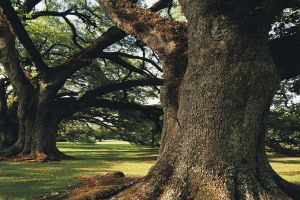
Morphological characteristics of the oak tree
The oak has a graceful shape and a tower-shaped crown, can reach 24 m in height, and grows at a moderate rate. Its crown spread is 10 m, and its leaves are distinctive in shape: new leaves are bright red, mature leaves are dark green and glossy, and in September they turn orange-red, with a late leaf-fall period. The oak is the largest flowering plant in the world; its flowers are pure white, with stamens that are white tinged with red, and its lifespan is relatively long, with some living as long as 400 years. They all share common features: the leaves are bigger than a human palm and, like a hand, stretch out several thick fingers; the fruit is a nut, fuzzy at one end and smooth at the other, attractive and tasty, and a first-class food for fun animals such as squirrels.
Varieties of the oak tree
There are many kinds of oak, sixty or seventy species, and common ones include black oak, white oak, red oak, chestnut oak, and English oak, among others. Oaks are distributed in many parts of the world, but only under a specific regional condition - a Mediterranean climate - can their bark be used as cork. Portugal is known as the country on oaks.
Uses of the oak tree
Landscape greening. The oak has a long lifespan and glossy, shiny leaves, and is the largest flowering plant in the world. The plant has strong stress resistance and adapts well to the environment, so it can be cultivated worldwide; it is an excellent landscaping material, widely planted along streets in parks and in home courtyards, providing people with cool shade and a place to admire and enjoy.
Making cork. The inner part of the oak's bark xylem is filled with many honeycomb-like structures, and the inside of the honeycombs is full of air and highly elastic, making it a good material for making cork. Cork itself is very wear-resistant, and today many engine cylinder gaskets in various countries use cork as a raw material. Cork flooring is a natural material that does not damage the environment; it has extremely strong sound-absorbing, heat-insulating and pressure-resistant properties, resists insect damage and moisture, and is also easy to clean and maintain. At the same time, cork's unique grain and elegant, attractive colour make it suitable for use as a flooring material. In addition, cork is moisture-proof and resistant to insect damage, which can ensure that wine in a dark, damp cellar will not fade away with the passing years. This purely natural material does no harm to the human body at all, so it is widely used in the production of stoppers for wine and champagne, a history that already spans more than one hundred years.
Growing habits of the oak tree
The oak is native to northern India, Malaysia and Indonesia, and is now planted all over the world.
The oak has strong stress resistance, tolerates dryness, high temperatures and waterlogging, resists frost and urban environmental pollution, and is highly wind-resistant. It prefers well-drained soil, but can also grow in heavy clay soil.