What makes Daphne so special? A detailed look at the characteristics of Daphne
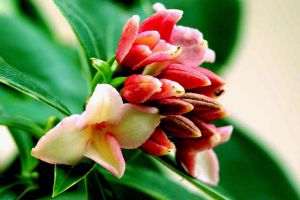
Other names for Daphne
Daphne is also called Ruilan, Shuixiang, Penglaizi, Fengliushu, Mao Ruixiang, Shanmenghua, Ruixianghua, Lujia, Bai Ruixiang, Xuehuapi, and Shanmianpi.
The growth habits of Daphne
Daphne prefers a semi-shaded and fairly well-ventilated environment. It is rather afraid of intense sunlight and exposure, likes moisture, and is not very drought-tolerant, but care should also be taken not to let it become too wet. For the soil, generally choose loose, fertile soil with good drainage. When fertilizing, nitrogen, phosphorus, and potassium are the main nutrients, and a base fertilizer can be used.
In winter and spring, pay attention to maintaining the temperature and providing sufficient light.
The flower language of Daphne
The flower language of Daphne is auspiciousness and good fortune, and its symbolic meaning is very good. It is a famous flower in China, excelling in color, fragrance, form, and charm.