So this is how adaptable verbena really is
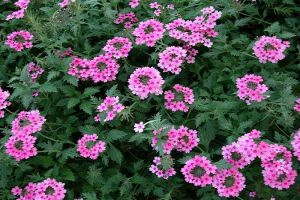
Other names for verbena
Grass five-color plum, creeping vervain, creeping phlox, four-season hydrangea, verbena
Morphological characteristics of verbena
The whole plant is covered with fine downy hairs; the plant grows in clumps and spreads over the ground, with a height of 10-50 cm and four-angled stems; the leaves are opposite and dark green; the spike inflorescence is terminal, densely arranged in a corymb shape, with small, densely packed flowers in white, pink, red, bicolor and more, and it is fragrant.
Ecological habits of verbena
It likes sunlight and does not tolerate shade; it is relatively cold-tolerant, poor in shade tolerance and not drought-tolerant. In the north it is mostly grown as an annual herbaceous flower, and it can bloom normally in hot summers. Grown in sunny, loose and fertile soil, it blooms profusely.
It likes a warm and humid climate, likes sun, and is not drought-tolerant. It is not demanding about soil, but in loose, fertile, relatively moist neutral soil it can root at every node, grow robustly and bloom profusely. In Shanghai, in areas with a relatively warm microclimate, it can overwinter outdoors.
Verbena flower meaning
Mutualdevotion, family harmony.