The star cactus originally has these characteristics
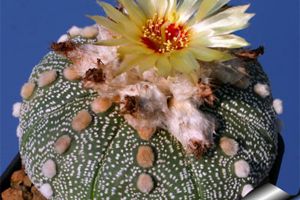
Growth habits of the star cactus
Native to northern Mexico and the southern United States. It prefers a warm, dry environment with plenty of sunlight. It is relatively cold-tolerant and can withstand brief frost.
Optimal temperature: 18-25°C at room temperature
Watering: water once every 2 weeks during the growing season
Light: full sun
Propagation: sowing, grafting
Pests and diseases: gray mold, red spider mites
Combination suggestions: Lithops, Sedum adolphi
Planting and care tips for the star cactus
Care tips for the star cactus
Potting soil: Its root system is relatively shallow, so when potting, the body should not be planted too deep, and the bottom of the pot should be lined with plenty of broken tiles for drainage. Use a mix of leaf mold and coarse sand, with a small amount of bone meal and dried cow manure added.
Fertilizing: Keep the potting soil moist during the growing season, ensure plenty of sunlight, and fertilize once a month or use a 15-15-30 special fertilizer for potted flowers.
Temperature: In winter, the body enters dormancy, so the temperature should not be too high; 10°C is suitable. Keep the potting soil dry, and repot mature plants once every 3-4 years.
Propagation methods for the star cactus
Sowing: Sow mature seeds by the end of April; the optimal germination temperature is 22-25°C, and they germinate 3-5 days after sowing.
Grafting: Carry out in May-June, commonly using Hylocereus undatus or Echinopsis multiplex as rootstock, with seedlings or offsets as scions; after grafting, they survive in 10-12 days and can bloom the following year.