How to prevent orchid rot? Try these few tips
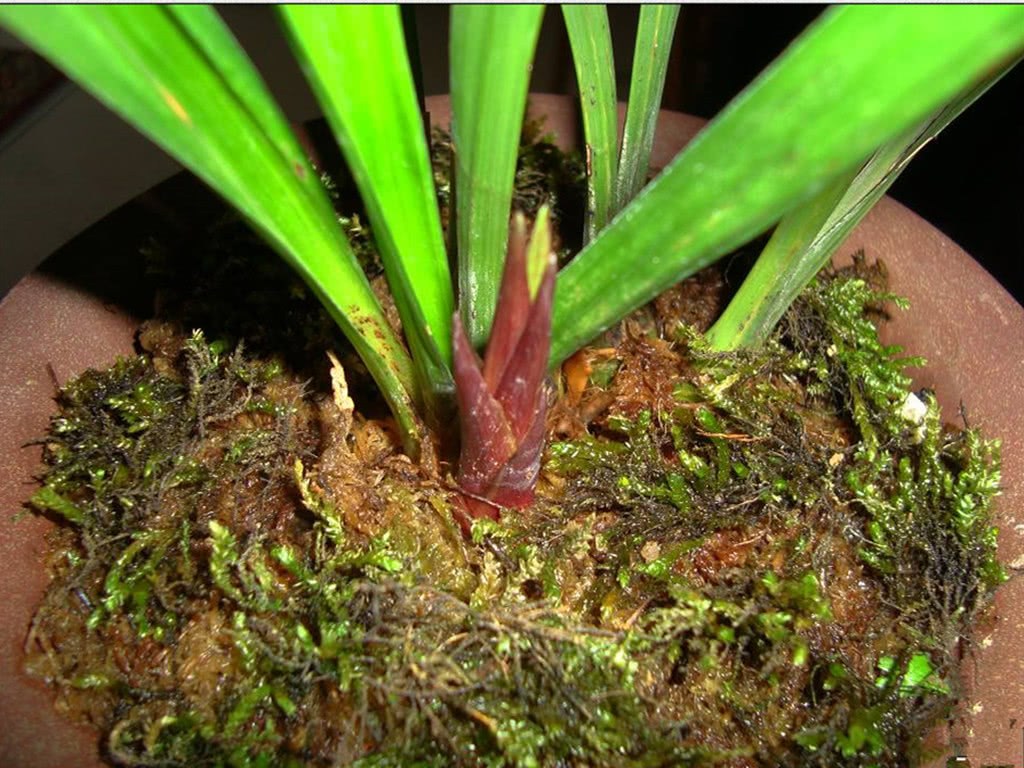
A few tips for preventing orchid rot, friends might as well give them a try.
When it comes to caring for orchids, many orchid growers can talk about it eloquently, but when they run into some trickier problems, they don't know where to start. For example: the phenomenon of orchid rot, that is, rot of orchid new shoots. When encountering this situation, some orchid growers may not know how to handle it?
As for rot of orchid new shoots, friends who observe carefully will find the causes, which are generally brought about by the following situations. For example: water entering the core of the shoot, bruising, pest damage, and so on are the main causes of orchid rot. The simplest and most direct cause is rot of shoots caused by root rot. Secondly, careless watering or spraying splashes into the center of the orchid's new shoots, or the plant is exposed to rain for a long time; combined with insufficient light and low temperatures, the water cannot be absorbed. Even after a heavy rainstorm, the new shoots are soaked in water and the water is not drained in time, causing rot.
There is also the case where the mother plant of the orchid is infected with pathogens and is not treated in time, and since the young shoots have weak disease resistance, this leads to the occurrence of orchid rot. Aphids, scale insects, and red spider mites suck the sap of the shoots, and rats bite and eat the sweet-tasting tender shoots and young leaves, causing damage that also leads to rot. During repotting and division, pruning old leaves, and routine watering, fertilizing, and spraying pesticide, carelessness or unexpected accidents cause injuries. Finally, when applying liquid fertilizer, it accidentally splashes into the core of the orchid shoot and no attempt is made to remove it, causing decay.
Here, an expert orchid grower shares his secret formula, which is to use bamboo charcoal and plant ash to tend the orchid plants. When orchids are exposed to rain, some growers pull plastic sheeting over them to block it, which not only looks ugly, but also provides poor ventilation and requires ventilation equipment. After orchids are exposed to rain, they actually produce more shoots; only a few rot, and those that remain are robust. Using ash left after burning fallen leaves not only prevents rot but also fertilizes at the same time, better than medicine. Growers who like to experiment might as well give it a try.
Thank you for taking your precious time out of your busy schedule to patiently read this article. Reading will take you to a higher level. Also, if you have any thoughts or methods? You can post them in the comment section below. Everyone is welcome to bookmark or share! Click the word "Follow" and you will be able to read more articles related to growing orchids.