What are the characteristics and symbolic meaning of the Philodendron bipinnatifidum?
Other names for the Philodendron bipinnatifidum
The Philodendron bipinnatifidum, also called the split-leaf philodendron, is a fairly popular indoor foliage plant.
Morphological characteristics of the Philodendron bipinnatifidum
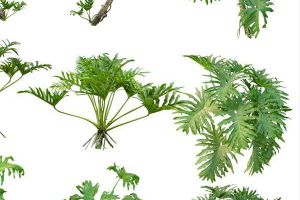
The Philodendron bipinnatifidum, formerly known as the split-leaf philodendron, is a perennial herb. The plant can reach 1 m in height, with a thick upright stem that can reach 10 cm in diameter, and the stem bears obvious leaf scars and wire-like aerial roots. The leaves spread out in all directions from the top of the stem, with petioles about 40-50 cm long; the leaf blade is bright and glossy, egg-shaped and heart-shaped, up to 60 cm long and 40 cm wide, though potted specimens are usually only about half that size, with the whole leaf deeply pinnatifid and leathery. The leaves of young seedling plants are thinner and triangular, and as the plant grows the leaves that form gradually become larger, with more numerous and deeper pinnatifid incisions.
Growing habits of the Philodendron bipinnatifidum
The Philodendron bipinnatifidum likes a hot and humid growing environment, has low requirements for light, and has strong shade tolerance. It is relatively intolerant of cold; the suitable growing temperature is between 18°C and 25°C, and the winter overwintering temperature must not be lower than 5°C. The Philodendron bipinnatifidum likes loose, fertile, sandy soil with good drainage.
Uses of the Philodendron bipinnatifidum
The main use of the Philodendron bipinnatifidum is its extremely high ornamental value.
Because of its graceful plant shape, broad leaves and strong shade tolerance, the Philodendron bipinnatifidum has become a popular indoor foliage plant. It can be grown in pots to decorate interiors, and is very suitable for placing in a hall, office, living room or study.