Echeveria runyonii 'Topsy Turvy'
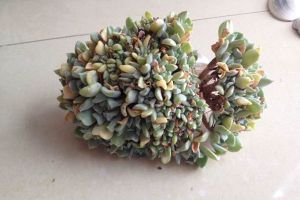
Growth Habits of Echeveria runyonii 'Topsy Turvy'
It is a cultivar of Echeveria runyonii. It prefers a warm, dry environment with plenty of sunlight. It is not cold-hardy, but tolerates drought and partial shade.
Optimal temperature: 18-25°C
Watering: water once every week during the growing season
Light: full sun with ample light
Propagation: cuttings, division
Pests and diseases: rust, root-knot nematodes
Combination suggestions: Echeveria 'Chihuahuaensis', Echeveria 'Frosty Morn'
Care Tips for Echeveria runyonii 'Topsy Turvy'
Potting mix: repot every spring. When repotting, cut off the shriveled dead leaves at the base of the plant and any overly long fibrous roots. Use a mix of peat moss and coarse sand as the potting soil.
Watering: during the growing season, the potting soil should not be too wet; water once a week. In winter, water only 1-2 times and keep the potting soil dry. When the air is dry, mist around the plant to increase air humidity.
Fertilizing: fertilize once a month during the growing season, using diluted cake fertilizer water or a special fertilizer for potted flowers. Provide some shade in summer, and place the plant in a warm, sunny spot to overwinter in winter.
Propagation Methods for Echeveria runyonii 'Topsy Turvy'
Cuttings: cut off mature leaves for cuttings and insert them into a sand bed; they root after about 3 weeks, and once young plants grow they can be potted up. Make sure the cut is flat, and wait for the cut to dry before inserting.
Division: if offsets sprout from the base of the mother plant, they can be divided and propagated in spring.