Sedum adolphii
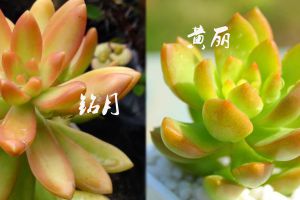
Common names of Sedum adolphii
Sedum adolphii is commonly known as Huangyulian (Golden Jade Lotus).
Habits of Sedum adolphii
Sedum adolphii is a succulent plant in the Crassulaceae family, Sedum genus, and spring and autumn are its growing seasons.
Sedum adolphii is native to Mexico and prefers a warm environment with plenty of sunlight. Its suitable growing temperature is18~25°C. It tolerates partial shade and is also drought-tolerant; moderate watering during the growing season is enough for it to grow.
Sedum adolphii is a full-sun plant, and its leaves turn golden yellow when it receives sufficient light.
The commonly used propagation method for Sedum adolphii: cuttings.
Care tips for Sedum adolphii
Soil:2~3Repot once a year, in spring. Use a potting mix of fertile garden soil and coarse sand, with a small amount of bone meal added.
Watering: Keep the potting soil slightly moist during the growing season. In summer the plant is in a semi-dormant period, so reduce watering and keep the potting soil dry. In winter, water according to room temperature: water when dry, wait when moist.
Fertilizing: Fertilize2~3times a year, using diluted cake fertilizer water or a special succulent fertilizer, and avoid over-fertilizing, which causes leaves to spread out and become soft with a poor shape.
Pests and diseases: Common pests and diseases include: anthracnose and scale insects. When anthracnose occurs, use50%Thiophanate wettable powder500times solution for spraying control.
Propagation methods of Sedum adolphii
Cuttings: Cuttings can be taken year-round, with the best results in spring and autumn. In spring, cut the top stems, with a length of5~7cm, leave them in a cool place for a period of time, then insert them into a sand bed.3~4They can root in weeks.
Suggested planting combinations: Sedum rubrotinctum, Sedum pachyphyllum.