How to grow and care for Kalanchoe luciae (large-leafed kalanchoe)
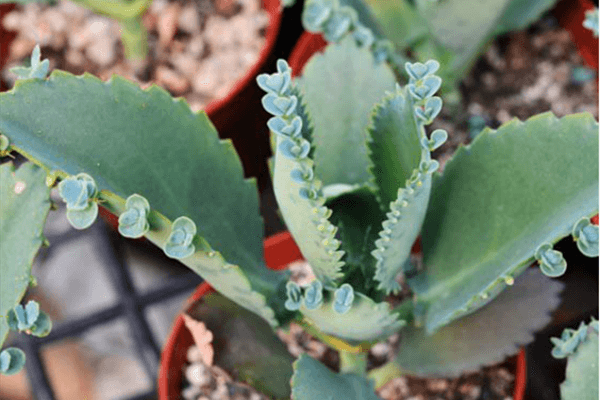
Common names for Kalanchoe luciae
Kalanchoe luciae is also called: large-leafed air plant, flower butterfly
Habits of Kalanchoe luciae
Kalanchoe luciae belongs to the Crassulaceae family, Kalanchoe genus, and its vigorous growing season is spring and autumn.
Suitable growing temperature 15~20℃,It likes a warm, humid and sunny environment, tolerates partial shade and drought, and is not cold-tolerant.
Home care usually uses sowing, cuttings and adventitious buds for propagation. Common pests and diseases include: powdery mildew, aphids
Planting and care tips for Kalanchoe luciae
Care tips for Kalanchoe luciae
Repotting: repot every spring to maintain a graceful plant shape. For potting, a mix of half leaf mold and half coarse sand can be used.
Watering: during the growing season, water 1~2times a week, keeping the potting soil moist, but not waterlogged. When temperatures drop in autumn and winter, reduce watering. When blooming in winter, strictly control watering, but do not stop watering entirely.
Fertilizing: during the growing season, fertilize once a monthtimes. Usually move it around as little as possible to prevent the "small butterflies" on the leaf edges from falling off.
Light and temperature: full sun, likes sunlight, avoids extreme heat. During the growing season, maintaining 4hours of light per day will keep it growing vigorously with abundant flowers and lush leaves.
Propagation methods for Kalanchoe luciae
Sowing: sow in early spring, germination temperature 18~21℃。
Cuttings: during the growing season, cut mature top branches, let the cut dry, then insert into a sand bed,8~10roots form naturally, and after another week they can be potted.
Adventitious buds: peel off the larger adventitious buds growing on the leaf edges and pot them directly.
Suggested planting combinations: Echeveria 'Purple Pearl', Sedum rubrotinctum
Note: between each blunt tooth of Kalanchoe luciae, a new small plantlet can form, and once it falls to the ground it becomes a new plant.