Bear's Paw
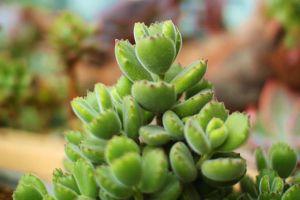
Bear's Paw Growing Habits
Native to South Africa, it prefers a warm, dry environment with plenty of sunlight. It is not cold-tolerant, and needs cool conditions in summer. It is drought-tolerant and afraid of waterlogging and strong direct sun.
Favorite temperature: 18-24°C
Watering: water once every two weeks during the growing season
Light: full sun, abundant
Propagation: generally seed propagation and cutting propagation
Pests and diseases: Bear's Paw has a relatively high incidence of leaf spot disease and mealybug infestation
Combination suggestions: Lithops, Pachyphytum 'Amethyst'
Bear's Paw Care Tips
Plant shape: repot every spring. When the plant reaches 15 cm in height, pinch out the growing tips to encourage branching. When the plant grows too tall, prune it to lower the plant's profile. After 4-5 years, it should be re-propagated from cuttings to refresh it.
Watering: water once every 2 weeks during the growing season and keep the potting soil moist. In high summer temperatures, mist around the plant. In winter it enters dormancy, so keep the potting soil dry.
Fertilizing: fertilize once a month. Use diluted cake fertilizer water or "Huiyou" 15-15-30 special fertilizer for potted flowers. If light is insufficient and fertilizer and water are excessive, the stem nodes will elongate.
How Bear's Paw Propagates
Sowing: sow indoors in pots in March-April; the suitable germination temperature is 20-22°C; germination occurs 12-14 days after sowing, and the seedlings grow quickly.
Cuttings: in spring and autumn, cut plump top shoots 5-7 cm long and insert them into a sand bed; they root 2-3 weeks after insertion, with a high survival rate. Single-leaf cuttings can also be used, but growth is somewhat slower.