Raising chickens in farmland fits the new concept of ecological farming, and profits are more secure
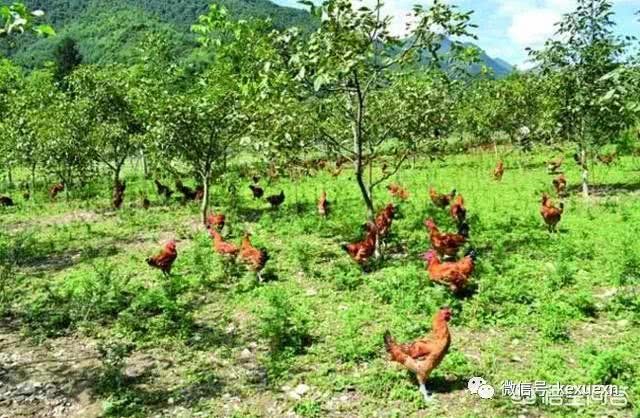
Raising chickens in farmland is indeed a good idea. If field crops and chickens are paired appropriately, it can not only increase planting income, but also be green and environmentally friendly, achieving ecological balance and a situation of harmonious coexistence between the two. For example, raising chickens and ducks in fruit tree orchards, this is something I have seen in my hometown. In summer, the chickens rest in the shade under the fruit trees, and the chicken manure can fertilize the fruit trees. Not only can the fruit trees achieve planting benefits, but the breeding side can also achieve additional economic benefits. Below I will compare ecological farming with traditional farming, hoping to provide a more intuitive understanding.
Traditional farming
Relying on farms facilitates intensive and large-scale farming, which is the advantage of traditional farming. By combining prepared feed, it provides comprehensive nutritional supply for the chickens being raised, achieving rapid growth and development, and large-scale farming is also very conducive to management, as epidemic prevention and temperature control are relatively much easier. The chickens raised grow quickly and can generally be fattened in 80 to 90 days, which is also an advantage over free-range chickens.
However, because traditionally farmed chickens move little, their disease resistance is also very poor, much worse than that of free-range chickens. In terms of meat quality, they are also much inferior to free-range chickens, so they are also less popular on the market than free-range chickens. The antibiotics contained in chicken feed are even more of a concern for many consumers.
Ecological farming
The ecological farming method of "field-chicken" symbiosis, although the chickens grow slowly, also has its advantageous side. First, it can achieve ecological benefits, as crops and chickens complement each other and improve economic returns. Second, it reduces pests and diseases, not only reflected in crops, but the disease resistance of the chickens will also be greatly reduced. Because of their activity capacity and the wide range of the farming site, even pests and diseases will not spread on a large scale, reducing the spread of infectious diseases.
Although the "field-chicken" symbiotic method can achieve good benefits, attention should also be paid to some problems. For example, crops and chickens should be reasonably paired. If vegetables are planted, then raising chickens in the field is not very suitable, because after chickens peck at the fresh tender vegetable leaves or fruits, it is difficult to sell them at a good price. Choosing some taller crops, such as corn, fruit trees, etc., is more suitable for symbiosis. In addition, attention should be paid to field management, such as timely cleaning of chicken manure in the field to avoid the risk of epidemic diseases. In the field-chicken symbiotic farming method, the chickens spend most of their time active in the field, and the probability of infection with germs and diseases is also relatively high, so doing a good job in epidemic prevention is naturally essential.
The above are a few views shared by Science Agriculture for you about raising chickens in fields. I hope it is helpful to you, and you are also welcome to consult.