Hydrogen peroxide has many benefits for plants: 6 practical tips to share
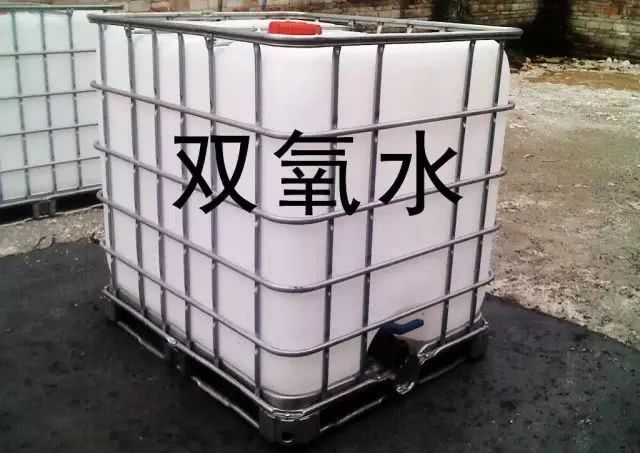
Hydrogen peroxide has incredible uses in the garden. Can you believe this stuff can be used for growing plants? Although it disinfects and sterilizes, have other gardeners tried it? Well, yes, it certainly helps with growing plants!
1. Why hydrogen peroxide can be used for growing plants
Hydrogen peroxide (H2O2) has one extra oxygen (O) atom compared to water (H2O). This extra oxygen atom is what makes hydrogen peroxide so useful. Hydrogen peroxide is commonly used for cleaning, bleaching, sterilizing and disinfecting, but it can also be used in gardening.
Simply put, hydrogen peroxide acts as an oxygen supplement for plants (but only at very low strength, otherwise it will only be harmful rather than helpful). It can release oxygen and aerate the soil.
Scientific fact:You can put manganese dioxide in hydrogen peroxide and you will get highly pure oxygen
2. Specific uses of hydrogen peroxide in growing plants
1. Prevention and treatment of root rot
Overwatering easily leads to a lack of oxygen around the roots. If you frequently water your plants, water accumulates in the potting soil, and if the water stays in contact with the plant roots for a long time, the roots will suffocate, and root rot is only a matter of time.
To simply deal with this problem in plants, you can mix 3% hydrogen peroxide into 1 liter of water. The extra oxygen in the hydrogen peroxide will supply oxygen to the roots to keep them alive.
After that, do not water again until the potting soil is completely dry. It counts as completely dry only when the top 3-5 cm of the potting soil is dry.
2. Promote seed germination
You can use hydrogen peroxide to help seeds germinate faster. Hydrogen peroxide softens the seed coat and can also kill any pathogens, since the seed coat sometimes carries some pathogens, thereby improving the germination rate and germination speed of the seeds.
Method:Soak your seeds in 3% hydrogen peroxide for 30 minutes, then rinse the seeds with water several times before planting (handle them the same as other plant seeds).
3. Mold and hydrogen peroxide
Hydrogen peroxide has oxidizing properties and is deadly to mold. Mix 10 tablespoons of 3%-6% hydrogen peroxide into 1 liter of water. Adjust the concentration according to the severity of the plant's infection. Spray this mixed solution on the mold every day until the fungus disappears.
4. Hydrogen peroxide as fertilizer
Mixing some hydrogen peroxide into the water when watering flowers can help your plant roots grow stronger, but the concentration must be controlled properly; if it is too strong, it will have the opposite effect. Hydrogen peroxide has one extra oxygen molecule compared to water, which can help plant roots breathe better and absorb nutrients from the soil more effectively.
You can occasionally use this method to help root growth, but it should not be used often. Mix about 1 teaspoon of 3% hydrogen peroxide with 4 liters of water.
Warning: Please make sure you are not using highly concentrated hydrogen peroxide; even a slightly higher concentration will kill plants. 3% strength is the highest concentration, and it is recommended to follow the ratio above and add a bit more water.
5. The role of preventing pests
Hydrogen peroxide can be used as an insecticide. Mix 3% hydrogen peroxide with an equal amount of water to kill pests and their eggs. Hydrogen peroxide can also kill bacteria on fruits and vegetables, but only on mature plants; seedlings or old plants cannot withstand it.
6. Cleaning glass stovetops
Prepare hydrogen peroxide, baking soda, and a rag or sponge. In a small bowl, mix the baking soda and hydrogen peroxide and stir into a paste.
Apply it to all the dirty spots on the glass stovetop. The baking soda can absorb grease, and the hydrogen peroxide helps remove residue. After repeated wiping, use a damp cloth with water to wipe away the remaining baking soda. After drying, you will have a sparkling clean stovetop.
(Left: before use; Right: after use)