22 of the best trees for bonsai, easily create a charming plant landscape
Which plants are most suitable for making into bonsai trees? There are certainly many, many of them! Below are the "best bonsai trees in the eyes" selected by the editor and some flower lovers. See if there are any you like!
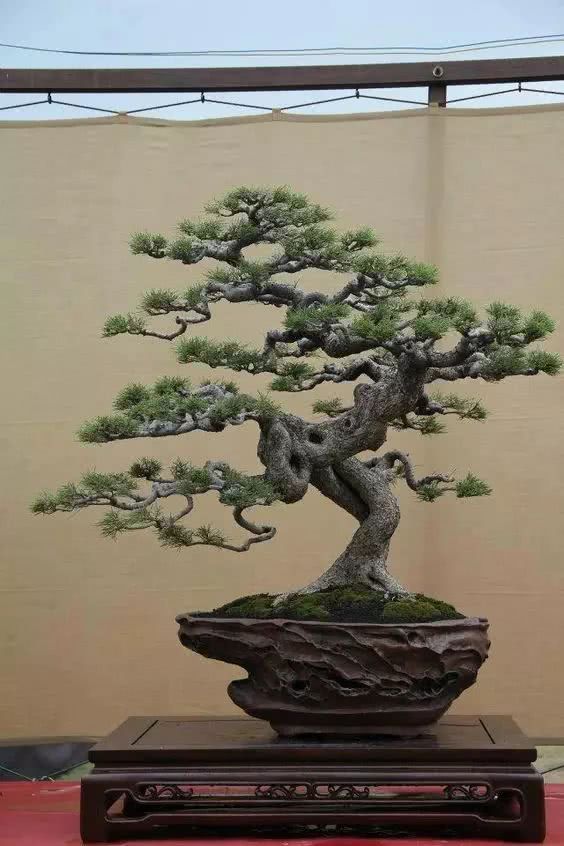
1. Pine bonsai
Pine trees are very elegant and classic bonsai, however, they are not suitable for beginners. Pine trees are a very classic bonsai species. They are sturdy and durable, with rough bark, and their trunks make them look antique.
Placement: Put the pine tree outdoors in a sunny spot and let it grow in a well-ventilated environment.
2. Sacred fig
The Buddha was inspired under the sacred fig tree. Did you know? Because of this, it is commonly known as the sacred bodhi tree, and it is also an excellent bonsai.
The sacred fig is a tough plant with a fast growth rate and easily forms aerial roots. It has glossy, heart-shaped leaves.
Placement: It likes the sun and is a tropical tree. It needs at least 6 hours of sunlight every day (the more, the better).
3. Cotoneaster bonsai
Cotoneaster usually has a cascading appearance and is grown on rocks. It is a deciduous shrub and is very suitable for making into bonsai (very suitable for beginners). It has lasting color and also grows well in temperate regions.
Placement: It can be planted in full sun or partial shade, but it is best in a sunny position, with frost protection in winter.
4. Baobab
It is a tall, thick African tree species. The baobab is also suitable for making into bonsai. It is easy to care for and maintain, especially suitable in warm climates, but requires a little caution in places with cold winters.
Placement: In warm climates, just let it stay in the sun. If you live in a temperate region, put the pot indoors in winter.
5. Beech
This looks like a majestic large tree and is a very attractive medium-to-large bonsai tree, best suited to an upright style. It easily forms young branches, and the leaves turn golden yellow in autumn. But please keep in mind that beech trees grow very slowly and take a long time to grow.
Placement: Partial shade or a fully sunny position, with appropriate shading in summer to protect it from intense afternoon sun.
6. Boxwood
Boxwood can also become a bonsai. It easily adapts to pots, and with proper care and maintenance it can become an elegant bonsai. If you are trying to grow a bonsai for the first time, you can try boxwood.
Placement: Boxwood is an outdoor plant. It is naturally tough and can withstand blazing sun and partial shade. Of course, it grows best in natural conditions. (Not cold-tolerant)
7. Pomegranate
Pomegranate is one of the best fruit tree bonsai. It can adapt to pots, has a relatively shallow root system, a thick plant body, striking bark, amazing red flowers and beautiful fruit, and looks spectacular.
Placement: It should be placed outside in a sunny place. When the temperature drops to around 5 degrees, move the bonsai indoors to a bright position.
8. Juniper
Juniper is one of the most popular bonsai trees. It is an evergreen coniferous shrub and is very suitable for beginners, which makes it very popular among bonsai trees. It is very easy to grow and care for.
Placement: It cannot be kept indoors. It is best to place them in a sunny place. In summer, shade them when the sun is strong, and keep them appropriately warm in winter.
9. Banyan
It may be one of the most attractive tropical bonsai for bonsai enthusiasts. It is easy to style, can tolerate occasional neglect, and is very suitable for both beginners and advanced bonsai growers. You can use the banyan to try different styles.
Placement: When grown in a warm climate, keep it in full sunlight. In cool places with a temperate climate, you can grow it indoors in a well-lit position, avoiding direct sunlight.
10. Weeping fig
It is a more popular plant, a beautiful evergreen tree with slender branches and a broad crown, very unique.
Placement: It can be grown outdoors or indoors on a windowsill, with bright light.
11. Elephant bush
Elephant bush has thick leaves and belongs to the succulent-stemmed succulents. Elephant bush is an easy-care evergreen bonsai.
Placement: Elephant bush can be grown by a windowsill. It likes a sunny position and a warm environment, and the winter temperature should also be above 5 degrees.
12. Crape myrtle
Crape myrtle is a very elegant bonsai tree. Its most beautiful feature is its delicate branching, and it also has pink, white or purple flowers.
Position: Crape myrtle needs sufficient sunlight to form flowers. It can be grown indoors on a sunny windowsill. In winter, keep the temperature at around 10 degrees and use low light to maintain dormancy. When moved to a bright place in spring, it is especially easy to sprout.
13. Fukien tea
This is a very classic bonsai tree. Fukien tea is not only a very well-known indoor bonsai, but also a remarkable bonsai collection variety. It has small, dark green glossy leaves with tiny white dots on the leaves. It can bloom all year round and sometimes produces small red berries.
Placement: Fukien tea is an indoor bonsai, but in warm climates it can be grown outdoors all year round. It needs to be grown in a bright house, with a temperature of around 15 to 25 degrees being best.
14. Elm
Elm is one of the most spectacular bonsai trees in our country and is very easy to shape. This bonsai tree can be pruned and styled at irregular intervals.
Placement: Place it where it can receive sunlight in the morning and evening. Elm can tolerate most temperature changes, but it does not like being too cold.
15. Bougainvillea
Bougainvillea is brightly colored with a beautiful plant shape. Its beautiful flowers are amazingly charming, and it blooms abundantly. Especially under favorable climate conditions, bougainvillea grows quickly and branches easily. It can be trained into almost any upright bonsai style.
Placement: Place it in a spot with at least 5 to 6 hours of sunlight every day and protect it from severe cold.
16. Dwarf umbrella tree
Dwarf umbrella tree is one of the very best indoor bonsai species. It grows easily, has drought resistance and is extremely hard to kill, which also makes it a favorite among bonsai beginners. It is also very easy to shape, and it has a great many aerial roots.
Placement: Grow it in a position with bright, scattered light and keep the dwarf umbrella bonsai out of direct sunlight. It can also survive under low-light conditions.
17. Indian banyan
It is the national tree of India. This common tropical tree has rounded, thick leaves, and it grows many aerial roots. Once these roots reach the ground, they grow into woody trunks. The trunk looks very old, making it easy to shape into a stunning bonsai tree.
Placement: It needs a warm, humid climate to thrive. If you live in a cool place, you can try keeping it warm in winter and grow it indoors by a sunny window in winter.
18. Desert rose
It has a swollen, bulbous root base, a very thick root system, gorgeous flowers, glossy leaves, and rapid growth. It can be large or small, and is very suitable for growing in warm regions.
Placement: It needs to be grown in an environment with little wind and sufficient sunlight. If grown in a temperate climate, move the tree indoors in winter and keep the temperature at around 15 degrees.
19. Olive tree
Olive bonsai is very easy to care for. It is naturally robust and is also a very suitable choice for beginners. It has a smooth trunk and many branches, which makes them very spectacular bonsai.
Placement: Olive bonsai trees can also be grown indoors in a well-lit place, but it is best to put them in a sunny outdoor environment.
20. Azalea
Azalea is a very classic flowering bonsai tree. It looks amazing when in bloom and has incredible charm. However, it requires very meticulous care and needs acidic soil, so it is not suitable for beginners.
Placement: Azalea needs to be grown outdoors in a sunny place, but it needs shade in summer afternoons and cannot be exposed to blazing sun.
21. Willow
Willow with drooping branches looks very much like the charm of Jiangnan. It also does not need much care. It is naturally robust and very suitable for beginners, though it is difficult to grow a perfect plant shape.
Placement: It can be placed outdoors in a sunny position. If you live in a temperate region, move it indoors to a bright place in winter.
22. Red maple
Red maple has unique lobed leaves, and the leaf color is especially charming in autumn. Its adaptability is still decent, and it has countless varieties, so it can be grown into various types of bonsai trees.
Placement: Red maple likes a sunny, well-ventilated environment. When summer is hot, place it in a bright, shady spot to prevent sunburn from the midday sun. Although it is relatively cold-tolerant, you still need to pay attention to cold protection in winter!