Chives are nutritious and delicious, but these people had better not eat even a single bite.
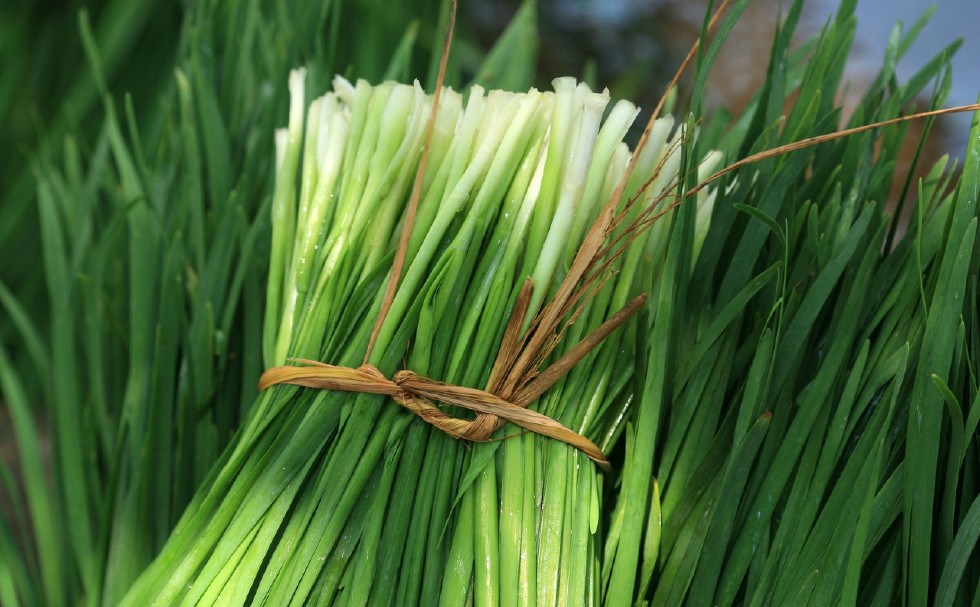
Chives are a vegetable that many people love to eat, and chive seeds also have high nutritional value, with effects such as tonifying the kidneys, strengthening the stomach, refreshing the mind, and stopping sweating and astringing. In traditional Chinese medicine, some people call chives the "intestinal cleansing herb."
The main nutritional components of the vegetable include vitamin C, vitamin B1, vitamin B2, nicotinic acid, carotene, carbohydrates and minerals. It has the effects of tonifying the kidneys; warming the middle and promoting qi flow; dissipating blood stasis; and detoxifying. It is mainly used for kidney deficiency and impotence; internal cold with abdominal pain; dysphagia and reflux; chest impediment pain; epistaxis; hematemesis; hematuria; dysentery; hemorrhoids; carbuncles, sores and swellings; lacquer sores; and traumatic injuries. However, it should be avoided by patients with yin deficiency and internal heat, sores and ulcers, and eye diseases.
For many people, chives are a food that brings both joy and worry. They like its flavor, but worry about stomach discomfort after eating it. Although chives have many benefits for the human body, more is not always better. The Compendium of Materia Medica once recorded: "Eating too many chives causes mental confusion and dimmed vision, and they are especially contraindicated after drinking alcohol." Modern medicine believes that people with yang hyperactivity and heat-type conditions should not eat them. Chives contain relatively much crude fiber and are not easy to digest and absorb, so one should not eat too many chives at one time; otherwise, the large amount of crude fiber stimulates the intestinal wall and often causes diarrhea. It is best to limit intake to 100-200 g per meal, and not exceed 400 g.
These sulfide compounds in chives can also help the human body absorb vitamin B1 and vitamin A, so if chives are paired with pork-based foods rich in vitamin B1, it is a relatively nutritious way to eat them. However, sulfides easily volatilize when heated, so when cooking chives, they need to be stir-fried quickly over high heat and then taken off the heat; even slightly overcooking them will cause chives to lose their flavor.
The climate in the north is different from the south, so it is not like Hong Kong, China, where yellow chives can be bought almost at any time. They are only available when chives sprout in spring. These are true yellow chives, not artificially produced by shielding them from sunlight, so the taste is very sweet, and the price is especially expensive. When northerners eat spring rolls at the New Year, the most particular filling is shredded pork stir-fried with yellow chives. Northern yellow chives are short, plump and tender, not as long as those in Hong Kong, China, and are a treasure among garden vegetables.