Use these for bougainvillea cuttings: fast rooting without damaging roots, with a survival rate of almost 100%
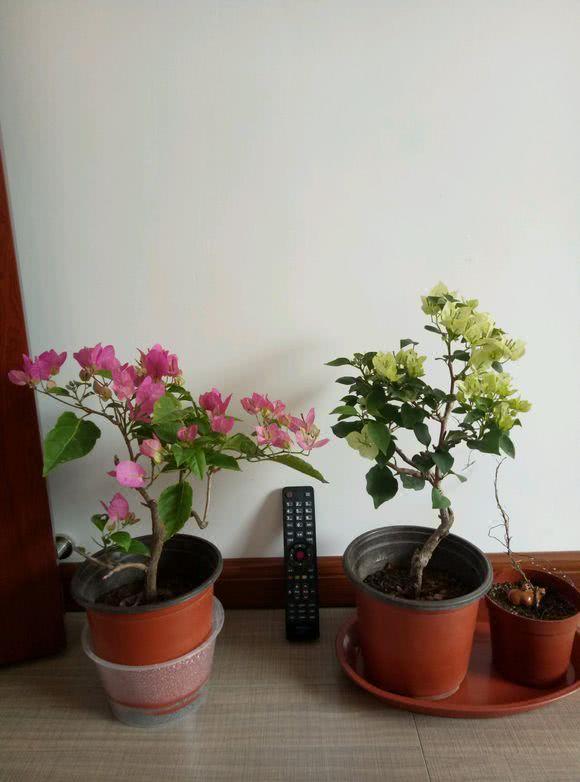
I have taken several batches of bougainvillea cuttings, including sand cuttings, half-soil half-sand cuttings, water cuttings, and water cuttings moved to soil after half of them grew fungal filaments. I found that caring for the small seedlings is especially troublesome and time-consuming, and more importantly, the survival rate is quite low (possibly related to my not using rooting hormone), which left me feeling deeply hurt and exhausted! Recently I saw a gardening friend using sponge to germinate seeds! First of all, I am a lazy person, so after more than a month of experimentation, I have achieved initial success, and I have specially organized it here for gardening friends to refer to, and to study and improve together.
Material preparation:
One piece of sponge, one sheet of iron wire mesh, and one shallow basin without a drainage hole (How do you find sponge? Generally, many dishwashing sponges are made of this kind of sponge material, so it is not hard to find; soft sofas often have this kind of thing placed underneath as well; iron wire mesh can be bought at hardware stores, and can also be replaced with a drainage board; for the shallow basin, generally a basin used for growing narcissus will do. See the picture below)
Operation method:
1. Use a small knife (scissors will also do) to cut the sponge into blocks 2 cm long X 2 cm wide X 3 cm high, then use a screwdriver to drill a hole on the 2X2 face (2.8 cm deep), then soak the sponge in boiling water (to disinfect it) and set aside for later use;
2. Take a section of bougainvillea branch, about 10 cm long, keep two leaves and cut each in half (take the branch the same way as for ordinary cuttings). Treating it with rooting hormone for 12 hours can promote rooting; this is very important (since I did not have rooting hormone, the branches were not treated, and because it was an experiment, I took branches of the common favorite, Green Leaf Dahong);
3. Insert the branch into the hole in the sponge, to a depth of 2.8 cm. After inserting, soak the sponge in water (cool boiled water is best) to let the sponge fully absorb water, then take it out;
4. Put a little water in the shallow basin, place the iron wire mesh on top of the shallow basin, put the inserted bougainvillea branches on it, and cover the branches with a transparent cup (you can also cut a mineral water bottle in half; personal preference, whatever is convenient. If there are many cuttings, you can make a cover with iron wire and cover the whole thing together with the shallow basin.) to keep the branches moist. Normally you can appropriately remove the cup for ventilation. At this step, the cutting process is considered complete.
Daily care:
Place the cuttings in a ventilated and bright place on the balcony. Usually you only need to pay attention to replenishing the sponge's moisture and not let the sponge dry out. 10 days after cutting, depending on the actual situation, you can remove the cup and expose them to scattered light. After half a month, they can get sun before 9 o'clock in the morning. For varieties with good rooting ability, roots will appear in about 25 to 30 days. For the Green Leaf Dahong I cut, at 25 days I saw roots drilling out of the sponge. This is a photo taken at 27 days after cutting. At this time they can be potted up; when potting up, just bury them together with the sponge into the soil.
This is a photo taken today after potting up. It has been 35 days from cutting to today, and the small seedlings are growing well!
Summary:
The sponge root promotion method makes use of the sponge's advantages of being breathable and moisture-retaining. The shallow basin + iron wire mesh solves the ventilation problem very well. Coupled with good climate conditions, through my experiment, the survival rate of the small seedlings is quite high. The survival rate of two batches reached 100% (the common favorite is just different). It is very suitable for propagating precious varieties (so-called precious, it varies from person to person! I think that whatever I do not have is precious)!!