The secret to growing flowers is just one sentence, and 100% survival depends entirely on it
Little tips for growing flowers. Are you still sad about your beloved plants dying? Are you still troubled by not being able to grow flowers well? Today I will tell everyone the most practical little tips for growing flowers. I believe flower lovers no longer need to worry that the plants at home cannot survive!
Come and take a look with me!
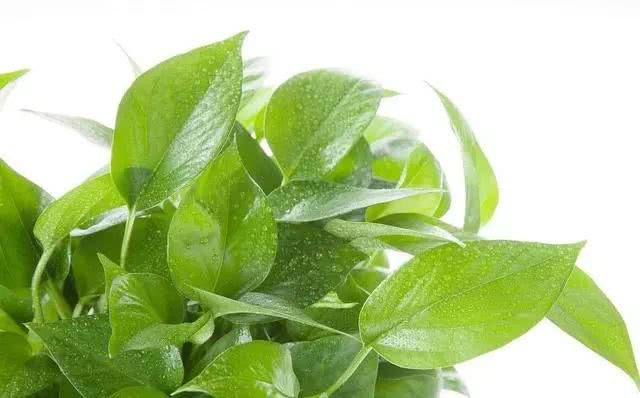
1. Pothos
Key word for keeping it alive: moderate moisture
In spring, pothos needs to drink enough water to grow more vigorously. Water from a fish tank is the very best, so fertile! Remember that pothos is not suited to strong light, so a balcony in a ventilated spot is more suitable for pothos to grow!
2. Spider plant
Key word for keeping it alive: the humidity it needs
Spider plant likes bright indirect light and a moist environment. When it is striving to grow in spring, you must keep it moist at all times so it does not dry out.
3. Snake plant
Key word for keeping it alive: moderate moisture
Spring is the vigorous growth period for snake plant. Watering and fertilizing must keep up. The soil must be loose and breathable, so that even with more watering the roots are not prone to rot. Apply a nitrogen-based fertilizer once every half month, gradually give it more sunshine, and the snake plant will grow thick and sturdy and shoot up rapidly.
4. Kalanchoe
Key word for keeping it alive: ample sunlight
Ample sunlight will make kalanchoe grow better, so it should usually be placed on a sunny balcony. At the same time, remember not to water it too frequently. Once every half month you can give it a light fertilizing.
5. Aloe
Key word for keeping it alive: moderate moisture
Aloe is also relatively drought-tolerant. Remember never to water it frequently. Its soil should be as loose as possible, which will let it grow better.
6. Pennywort
Key word for keeping it alive: ample sunlight
The dainty pennywort has a truly powerful need for sunlight. When caring for it normally, never separate it from sunlight. At the same time, its love for water is no less, and in spring it can be watered every few days.
7. Clivia
Key word for keeping it alive: moderate moisture
In spring, clivia should be watered every few days. Be careful not to water into its flower center; pour slowly along the edge of the pot soil. At the same time, clivia does not need a large amount of fertilizer. Once every half month with fermented soybean cake water is enough.
8. Anthurium
Key word for keeping it alive: suitable temperature
Anthurium is rather particular about its temperature needs; it cannot be too high or too low. Normally we can place the anthurium in a spot without direct sunlight, and only then will it be more likely to bloom.
9. Gardenia
Key word for keeping it alive: moderate moisture
In spring, gardenia really likes to drink water and should be watered every few days. At the same time, its soil is more suited to being acidic, so we can add a little citric acid to the water.
10. Camellia
Key word for keeping it alive: an appropriate amount of fertilizer
Camellia will bloom better only when it gets enough nutrients, so we can apply a diluted mixture of monopotassium phosphate, a small amount of borax and rice vinegar as fertilizer at intervals. At the same time, remember to water whenever you see the pot soil dry.
11. Petunia
Key word for keeping it alive: ample sunlight
Petunia really loves sunlight. The more sunlight there is, the better it grows, so its long-term fixed spot is of course a sunny balcony! It also needs quite a lot of water. At the same time, remember to put some charcoal at the bottom of the pot to prevent waterlogging.
12. Azalea
Key word for keeping it alive: the soil it needs
The beautiful azalea is more suited to growing in slightly acidic soil. When choosing soil for it, look carefully. It does not need too much water, about once a week.
13. Aglaia
Key word for keeping it alive: moderate moisture
When watering aglaia every few days, be gentle and do not rush. Let the water slowly seep into the pot soil, and remember to water thoroughly. Aglaia also likes sunlight very much; with insufficient sunlight it will be very sad.
14. Hydrangea
Key word for keeping it alive: the soil it needs
Soil has a big effect on hydrangea; it can make hydrangea freely change color. Isn't that amazing? Acidic soil can make the flowers bloom blue, and alkaline soil can dress the flowers in a red coat. If you want hydrangea to turn blue-purple, adding a little ferrous sulfate will do it. Hmm, I still think red hydrangea flowers look the best, so we add a little wood ash and lime to the soil and it turns bright red.
15. Asparagus fern
Key word for keeping it alive: moderate moisture
Asparagus fern drinks water in a truly bold way: soak the whole pot and soil in water, and once the soil surface becomes moist it has drunk its fill. At the same time, remember that it likes to stay in bright indirect light; an indoor spot or windowside without direct sunlight is best.
16. Succulents
Key word for keeping it alive: moderate moisture
Most of those cute succulents do not need to drink too much water. In spring, watering once a week is enough. When watering, you can bring it close to the roots of the succulent. Do you want to dress your succulent in a pretty coat? Let me teach you a method: place the succulent on a windowsill behind a glass window to receive sunlight, and the succulent's color will become very beautiful!
So many flower-growing secrets have been handed over to you. Treat your plants well!