What should you do when gardenia and Chinese rose develop root rot due to compacted soil?
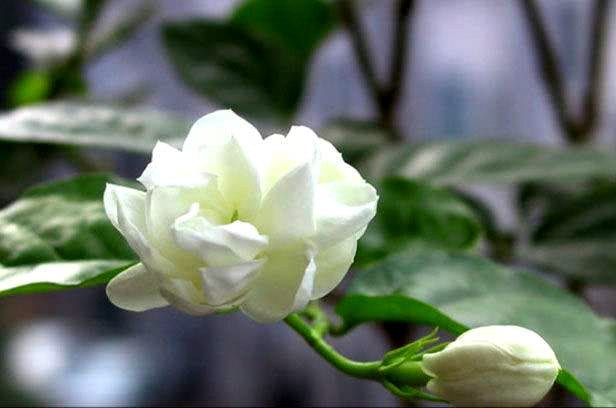
Soil is the most important thing when growing flowers. Nutrient-rich soil is better for flower growth and continuously provides nutrients to the flowers. If the soil becomes compacted, with poor air permeability and drainage, watering can easily lead to root rot. If the roots do not grow well, do not even think about the branches and leaves growing well, let alone blooming!
I grow a lot of flowers and plants at home. Some flowers and plants have strong vitality and a strong ability to adapt to the environment, so their growth is relatively okay. But the branches and leaves of the Chinese rose and gardenia are not lush either, and they do not bloom much. Finally I found the reason: their soil is harder than stone. It must have become compacted, and the flower roots may have rotted. If I had not dealt with it, the rot would have left only the pot! It is really worrying, but fortunately it can still be saved!
When soil becomes compacted, the best solution is to change the soil.
First take the Chinese rose and gardenia out of their pots. Because the soil is very hard, you can take the soil out by holding the branches and stems, which also saves quite a few steps.
After removing them from the pots, remove the soil, and you will find that part of the flower roots have already rotted. At this time, you need to prune the flower roots. Simply changing the soil and pot would not keep them alive for long either. Cut off the rotten roots and old roots, disinfect the wounds with plant ash, let them dry fully, and then plant them in soil.
To prevent soil compaction and root rot, you can add some pine needles, coal cinders, coarse sand, expanded clay pebbles, etc. to the flower soil. This can increase the permeability of the soil and prevent compaction.
In addition, when watering the flowers, be careful not to water them directly with tap water. It needs to sit for a few days before use. If it contains chlorine and bleaching powder, it can easily cause compaction!
When plants grow slowly and their branches and leaves are not lush, pay attention to whether the problem is the soil!