What are the methods for calcium supplementation in grapes? A full analysis of efficient calcium supplementation pathways
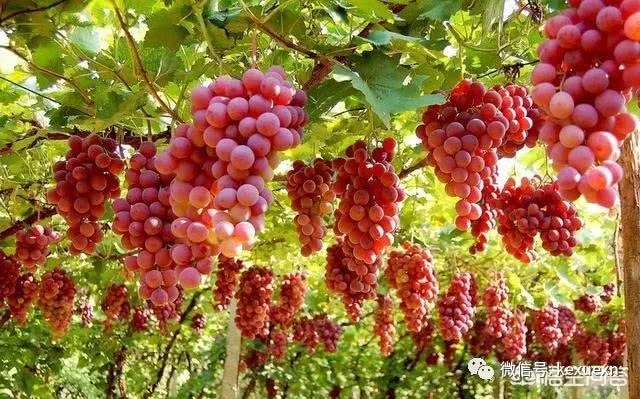
As one of the essential elements for grape growth and development, the importance of calcium is self-evident. Some data even show that the demand for calcium in grapes ranks third after potassium and nitrogen. This is probably somewhat different from what everyone usually thinks of as the three major elements, nitrogen, phosphorus, and potassium. When grapes enter the fruit expansion stage, the demand for calcium grows rapidly, and at this stage the demand for calcium also reaches its peak, stimulating the development of pulp cells. If calcium is deficient at this time, not only will the yield be relatively low, but the quality will also decline a great deal, for example fruit cracking during the ripening stage.
Friends who have studied chemistry are presumably quite clear that the chemical properties of calcium ions are very unstable: under alkaline conditions they react with hydroxide ions, while under acidic conditions they react with acid radicals. In other words, whether the environment is acidic or alkaline, calcium ions may be unable to be absorbed by grapes. Most calcium products on the market use chelating agents to chelate calcium ions, preventing them from reacting with other ions, so as to achieve the purpose of improving calcium utilization. So how should calcium be supplemented for grapes? Science Xingnong hereby suggests sharing a few pathways with you.
Increase organic fertilizer
There is presumably no need to say more about the introduction of organic fertilizer; it has been explained many times before. Organic fertilizer has a comprehensive nutrient structure and can supplement a certain amount of calcium for grapes. Organic fertilizer can be applied once each in spring and autumn.
Root fertilization
The practice of topdressing calcium fertilizer at the roots has also been mentioned earlier. In fact, the utilization efficiency of calcium by this method is not high. The commonly used ones in production are superphosphate and calcium nitrate. However, although the utilization efficiency of this method is not high, it still counts as a pathway for increasing calcium application.
Foliar calcium supplementation
As introduced earlier, when entering the fruit expansion stage, the demand for calcium in grapes reaches its peak, so calcium fertilizer must be topdressed. When the grape berries are the size of mung beans, calcium nitrate can be sprayed (concentration 0.5%). Calcium is an inert element in plants and has poor mobility, so even a large amount of spraying cannot achieve the purpose of efficient utilization. Science Xingnong hereby suggests spraying a small amount more frequently, thereby improving the utilization rate of calcium and supplementing the plant's demand for calcium. (There are also other calcium preparations in production, and you can choose to use, for example, quick-acting calcium fertilizer, amino acid calcium, etc.)
Calcium supplementation for ripening and storage
At this time, the main purpose of calcium supplementation is to prevent grape fruit cracking. During storage, metabolism can cause calcium deficiency in grape berries. Therefore, at the time of harvest and storage, using calcium preparations such as amino acid calcium diluted 300 times to soak the fruit can improve storage quality and prevent calcium deficiency during storage.
The above is Science Xingnong's view on calcium supplementation for grapes. I hope it can be of help to you.