How to shape a pine bonsai? Two techniques reveal the mystery
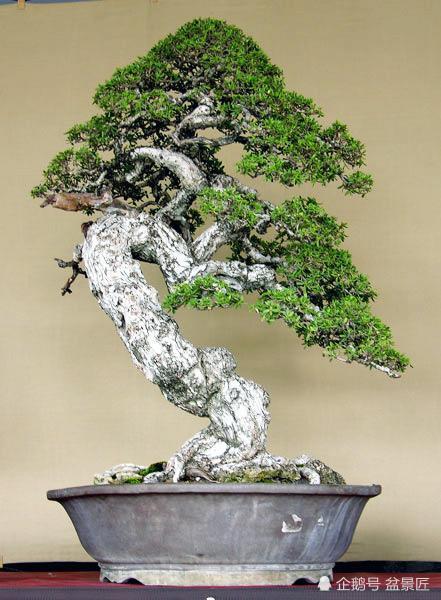
Pine bonsai are valued for their magnificence and masculine beauty, so when creating one you can emphasize these qualities more. You can shape them with hanging and wiring techniques to highlight the layered feel of the branches. Generally, a shallow-mouthed pot is best. Based on the structural characteristics of the pine bonsai's roots, trunk, and branches, carry out an artistic reconstruction so that these elements are coordinated as a whole, with smooth lines and rich artistic conception.
1. Trunk
Due to the influence of the growing environment and other factors, the trunks of pine bonsai take on many different postures. They are usually divided into straight and curved. Different shapes of bonsai can be created according to the different trunks.
When we generally select a trunk, we should pay attention to natural taper, and create the corresponding bonsai posture according to the trunk's change from thick to thin. One important point here is that the density of the side branches on the trunk is something we need to consider and pay attention to.
According to the natural effect we pursue in creation, keep the parts that have been changed well and are clearly layered. Only by working hard on the trunk can the characteristics of the pine bonsai be fully brought out.
2. Branches
As for the branches, we all know it comes down to keeping or removing, adjusting, and correcting. The keeping or removing of branches is also inextricably linked to the trunk. You should observe whether the position is ideal, based on factors such as length, density, variation, and outline. According to the pattern of change from bottom to top, gradually transform them until they finally form a triangular shape. What must never change is natural taper.
After arranging the prelude, it is time to adjust the direction of the branches. The most commonly used are flat spreading and drooping. The angle varies from person to person, because angles of all degrees have been seen. The resulting effects also each have their own merits. In the end, the shaping of a pine bonsai is mainly presented through angles and lines.
3. Roots
To make a good bonsai, dealing with the roots is essential. The roots should hug the ground closely, spread out flat and smooth, and must not cross or be scattered unevenly. There is too much about roots, so a separate article will introduce them to everyone.