How to keep potting soil fertile? Practical care methods shared
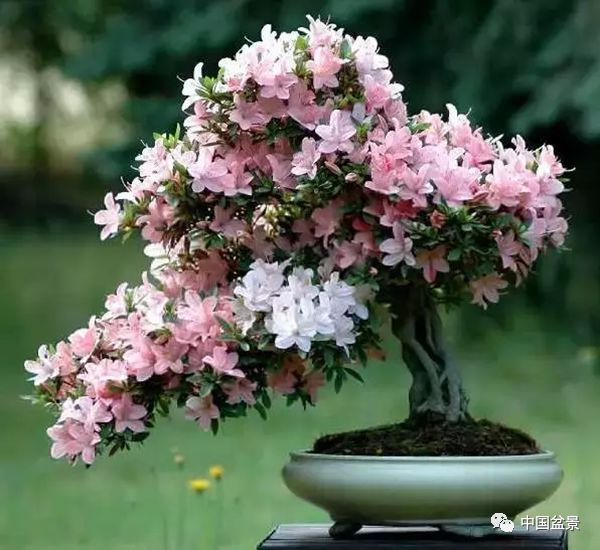
[Bonsai enthusiast's reflections]
Text | Xiamen, Fujian @Zhou Yingzhi
Truly good people to you are few in a lifetime; some light up this world for you, some brush the dust from your heart. But between people, a little extra distance easily turns into the absurdity of losing touch. The more independent we are inside, the fewer important people we have. You never know when you might lose them; the only thing you can do is be better to those still by your side, and patiently endure life's ordinariness and liveliness.
How to keep potting soil fertile
Recommended reading | Bonsai and Scholar's Stones
Copyright belongs to the original author
Potted flowering plants need sufficient nutrients to maintain good growth, and nutrients are often drawn from the potting soil. So keeping the potting soil consistently fertile is very important, and this is one of the basic conditions for ensuring plants stay robust and healthy.
Usually, mixing 3 parts fully rotted manure into sandy loam is fairly reasonable. But adding nutrients alone is not enough to keep the potting soil loose and fertile; we also need the potting soil to have good permeability, that is, air and water permeability, while also paying attention to ventilation. Only in this way can we avoid the potting soil becoming compacted, which suppresses the normal breathing of the plant roots.
From the above analysis, it is not hard to see that loose, fertile potting soil is very important for plant growth. So how do we keep potting soil fertile and loose? Generally, we can try the following aspects:
1. Use unglazed clay pots as flower pots
Although unglazed clay pots do not have the decorative appeal of glazed pots, porcelain pots or plastic pots, they are very inexpensive and have good drainage and air permeability, making them very suitable for the growth of potted flowering plants.
2. Make a drainage layer in the pot to help drainage and air permeability
Usually, use 20%-40% of the pot's interior space as a drainage layer, which can be filled with suitably sized pebbles, crushed bricks, small rubble, etc. This can improve drainage and air permeability inside the pot.
3. Add mixed media when loosening the soil to improve the potting soil
After the potting soil has been used for a period of time, we need to loosen it to increase looseness and air permeability. At the same time, add some sawdust, vegetable leaves, humus and soil and stir them together. This not only improves the looseness and air permeability of the potting soil, but also increases the nutrients in the soil, thereby achieving the effect of improving the potting soil.
4. Do the repotting work at the right time
When the plant in the pot grows to a certain size, the original pot often cannot meet its need to expand, and the nutrients in the potting soil will gradually decrease, so repotting is very necessary. But when repotting, we need to combine measures such as adding media, fertilizing, and sterilizing and killing pests to improve the loose and fertile effect of the potting soil.
Highlights replay:
Chinese Bonsai welcomes you!
Enjoy any timeviewthe bonsai exhibition hall
Promote bonsai culture, exchange bonsai skills!
Appreciate bonsai art, share a happy life!