There are many confusing situations when diagnosing asthma in children
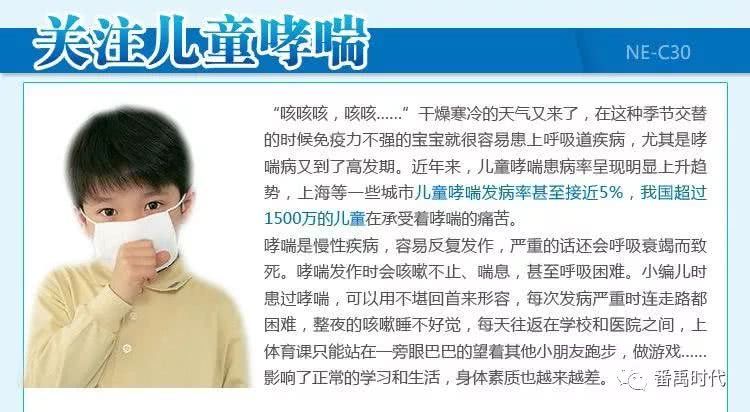
When children fall ill, the younger they are, the harder it is to identify the condition promptly and accurately, because illness in children has a sudden onset and progresses quickly, and the diagnostic methods are also special, so since ancient times there has been a saying: "Rather treat ten men than one woman, rather treat ten ladies than one playful child." With childhood asthma, there are many things that easily cause confusion during diagnosis, such as colds, pneumonia and other lung inflammations, whooping cough, and so on.
The hardest to differentiate are infants and young children, because their resistance is extremely low and their condition changes rapidly, and infants and young children, for various objective reasons, cannot receive timely medical care, so the optimal time for diagnosing and treating childhood asthma is easily missed, and diagnosis is shrouded in layer upon layer of fog. In colds and various lung diseases, common symptoms such as cough, shortness of breath, chest tightness, wheezing and difficulty breathing mostly appear, and when distinguishing them one should look at the timing to judge the severity and urgency of the condition.
With asthma, there is a common phenomenon, namely that it is more severe at night and in the early morning, whereas a cold is milder in the early morning. Childhood asthma, like adult asthma, can occur in every category, for example cough-variant asthma that presents only with coughing, which is not only hard for family members and other relatives to identify, but may also be overlooked or misdiagnosed by some doctors. So when diagnosing coughing illness in children, attention should be paid to finding out whether there is a history of allergic asthma in the family.
In cough-variant asthma, which is mainly characterized by coughing, the patient has a cough of unknown cause, antibiotic treatment is ineffective, the cough lasts more than one month, there is little phlegm, and coughing worsens after exercise, while there is no infectious cause or condition in daily life. If the patient has an allergic constitution, and has also had eczema or allergic rhinitis, then parents and other relatives should consider childhood allergic asthma.
The similarity between colds and asthma, and the way they affect each other, is even more harmful to children. When symptoms include a runny nose and sneezing, treatment for the cold should be started promptly. If the child clearly makes a sound like a chick chirping when exhaling, a doctor should be seen promptly, otherwise the child's asthma will progress to a severe stage with orthopnea, profuse sweating, and a pale, ashen complexion.