How do you care for a rose wall? Mastering fertilizer selection is key
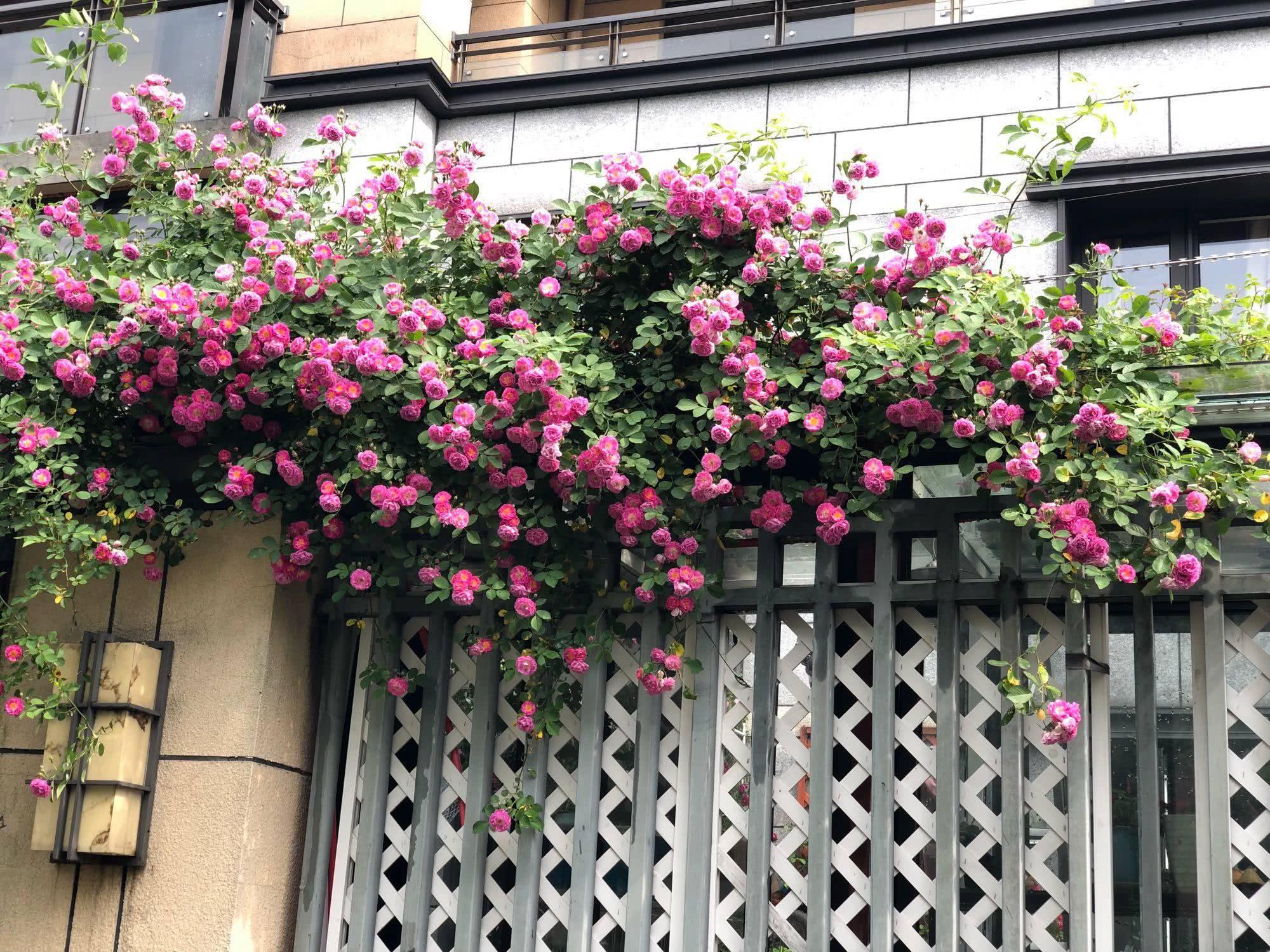
The roses grown by experts bloom bigger than a face, while a beginner's flowers bloom like little bowls. Why is there such a big difference when different people grow the same thing? When it comes to flower size, it ultimately comes down to fertilizer. There is some knowledge involved in choosing what kind of fertilizer to use for roses. Today, the editor will share this knowledge with everyone.
The fertilizers used for roses can be roughly divided into four major categories: slow-release fertilizer, compound fertilizer, water-soluble fertilizer, and organic fertilizer. Roses like fertilizer, and using different types of fertilizer at different stages is very important.
1. Slow-release fertilizer: The entire growth cycle of a rose cannot use the same type of slow-release fertilizer throughout. For seedlings, use one with a higher phosphorus content to promote root growth. For medium-sized plants, if the stems are small and weak, use one with a higher potassium content to strengthen the plant. If the leaves turn yellow and are small and thin, showing an unhealthy state, that means it needs nitrogen fertilizer. Before flowering, one containing phosphorus should be used, as it can promote flowering; only with enough fertilizer will the flowers be bigger and more vivid.
2. Water-soluble fertilizer: This is a fast-acting fertilizer that can completely dissolve in water. Plants absorb it relatively quickly, and the effects and performance on the plant can be seen quickly. The editor also uses this occasionally; it is convenient and simple, and the effect is decent.
3. Compound fertilizer: This is still used quite a lot now, for example imported ones, and the price is quite expensive; there are also many types of domestic compound fertilizers, with uneven quality, such as ammonium phosphate fertilizers, nitrophosphate fertilizer, ammonium sulfate-based, potassium nitrate and potassium phosphate, etc. Many of these are general-purpose types, but most are not suitable for roses, so when buying, be sure to ask the shop clearly. After using granular compound fertilizer, the plant's growth rate can indeed be greatly improved, but it easily causes soil compaction, and now it is not advocated for use abroad.
4. Organic fertilizer: Everyone surely likes to use this, such as organic fertilizer fermented from animal manure like chicken manure, cow manure, and sheep manure. It is rich in nitrogen, phosphorus, and potassium elements, and greatly improves the plant's root system, flowering period, and flower color. However, this is relatively hard to buy in the city. The dried chicken manure bought online may lose a serious amount of nitrogen due to its processing, and the effect when used will also be greatly reduced.
5. Compound microbial organic fertilizer: Today the focus is on telling everyone about this one, and it is also my great favorite. It has quite a lot of advantages. Huadongde organic liquid fertilizer contains rich nitrogen, phosphorus, and potassium elements, and greatly increases plant growth speed. The product comes from sugarcane molasses raw materials, combined with microbial fermentation technology, and is rich in various microorganisms, which can improve the plant's immunity. Taken from plants and used for plants, the plant absorption rate reaches over 90%, and both roots and leaves can absorb it; the rich active factors can also improve the internal structure of the soil, thereby achieving the purpose of loosening soil, activating soil, and preserving fertilizer.
These fertilizers are all relatively popular ones. Learn to be an owner who knows how to fertilize, and only then will roses repay you with their best beauty!