Is root rot really a death sentence for flowers? Add a little of this to the pot and they'll perk right back up
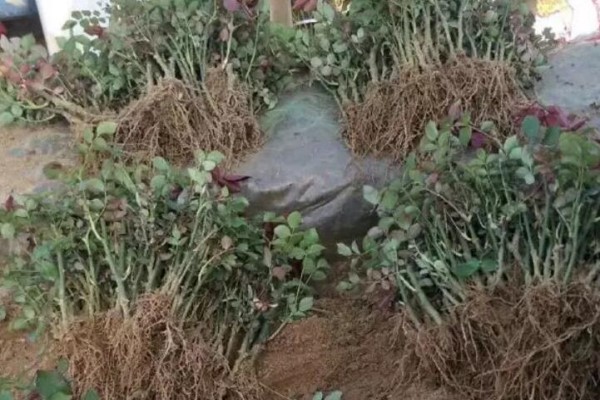
Why do flowers get root rot
Yellowing leaves, dropping leaves, dropping flowers, and wilting are all too common with plants. Many gardening friends can't believe it, but these are the signals of root rot
The causes of root rot are also very clear. Take a look and see if you've fallen into any of these traps:
1. Overwatering
Overwatering is the most direct cause. Some gardening friends are too eager, watering today and again tomorrow. The flower has already had its fill, and the leftover water sits in the pot soaking the roots, so of course they rot
2. Soil that isn't loose
When the soil is pressed too firm and tight, the roots inside can't breathe. They're already gasping and on the verge of giving up, and then you add more water, which only makes things worse
3. Damaged roots
Many newly bought flowers are prone to root rot. In fact, the roots are already damaged. New potted plants are usually divided at the nursery first, and once division has left them wounded, buying them and taking them home means they're already covered in injuries
4. A spot without ventilation
A well-ventilated environment helps water evaporate, so there's no need to worry about the water left after the flower has absorbed what it needs. Some gardening friends put theirs in a corner, which really is a death sentence
What to do after root rot
Camellia, jasmine, osmanthus, woody roses, money tree, gardenia and so on all show roughly the same signs of root rot and are handled in much the same way, so let's take camellia as an example
1. Signs of root rot
Roots, flowers and leaves are all one system. When the leaves droop and wilt, flowers fall for no reason, and leaves drop too, these all mean something is wrong with the roots
2. Dig it out to check, clean up the rotten roots
If you suspect root rot, dig it out right away and take a look, carefully clearing away the excess soil around the roots (you can rinse it off with water). White roots are generally healthy, while black, soft, mushy ones are rotten
Remove the rotting roots. No matter the size, keep cutting back until you reach fresh root. After cleaning, soak them for 20 minutes in a carbendazim solution to disinfect
If more than 90% of the roots are rotten, just cut off the root section entirely, keep only the woody stem, and soak it in rooting solution to grow new roots. Depending on the flower type, rooting takes about 20-30 days
3. Change the soil and replant
For replanting, use a looser soil. Ordinary garden soil mixed with sand works very well. To disinfect it, you can first pour boiling water over it, let it dry, and then use it
4. Subsequent watering and light
After repotting, water thoroughly and place it in a cool, ventilated spot, avoiding harsh sun. After about 5-8 days to recover, move it to the balcony for gentle sun
How to avoid root rot
1. The potting soil should be loose and airy
To make the soil more breathable, you can mix in some granules: vermiculite, volcanic rock, perlite, maifan stone, pumice and so on. Ordinary gravel works too, but it needs to be soaked in a carbendazim solution to disinfect it
2. Put something underneath in the pot
Line the bottom of the pot with some bricks or nut shells (not salted ones) to help with drainage, and it can also prevent the soil from compacting
3. Water sensibly
There are so many kinds of flowers that watering can leave anyone frazzled, but really just remember one sentence: water only when the soil is dry. So how do you tell if the soil is dry? A small bamboo stick does the job
Insert the bamboo stick (a toothpick works too) into the soil. After a while, pull it out: if the stick is fairly moist, no need to water; if the stick is dry, water right away
4. Put it in a ventilated spot
Plants that can't take much sun, like pothos, clivia and spider plant, can go on a north-facing balcony. Camellia, jasmine, gardenia, money tree and so on can go in the living room near the balcony, which is both ventilated and easy to enjoy
Root rot in plants isn't a big problem
As long as you pay a little attention during care
It can be completely avoided