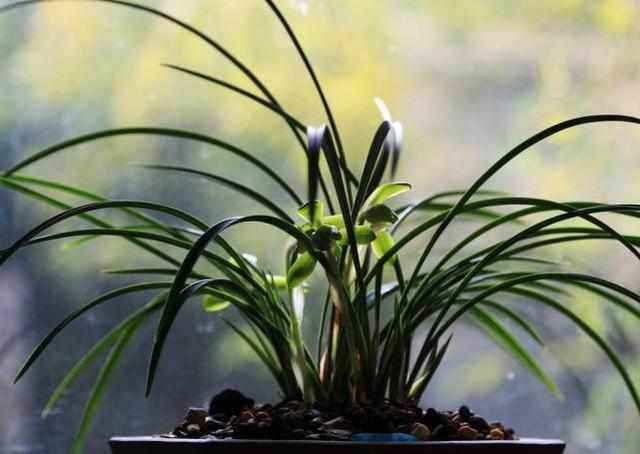
Potted orchids love acidic soil. Add a little of this to the water and the leaves will be glossy green and the flowers even more gorgeous.
Ever since I fell in love with growing flowers, I've become much more diligent overall. I have to learn to identify all kinds of pests and diseases, and I have to make various organic flower fertilizers with my own hands. It feels like my whole life has become different! Today I'll share with you the fermentation method for one kind of flower fertilizer. Although it's fairly basic, the effect is very good, and it can be used on all kinds of flowers.
For household potted orchids, the choice of soil is very important. No matter what soil you use - nutrient soil, river sand, or soil dug up from the wild - you must pay attention to one thing: the soil's acidity and alkalinity. The pH most suitable for orchid growth is between 5.5 and 6.5.
Many soils fail to meet this requirement, especially in northern regions. In the south, if you dig soil from the mountains, it's roughly around this value, but nutrient soil is hard to say. Let me share a little trick with you so you don't have to go dig soil in the mountains: water with rice vinegar diluted 200 times!
Steps:
Step one: dilute rice vinegar 200 times. Note that you must choose rice vinegar with no salt content, otherwise the orchid will die.
Step two: just water normally with it for a period of time. Be sure to pay attention to the dilution ratio of the vinegar - it must be 200 times or more. If it's too concentrated, the orchid will also die.
With this little trick, not only can orchids grow in slightly acidic soil, but the vinegar also has a fertilizing effect and some sterilizing effect, making your potted orchids grow lush and green.
For flower lovers who want to use this method, be sure to note: use rice vinegar, and only the kind without salt can be used to water flowers; the dilution must be sufficient.