Azalea leaves drop at the slightest touch? Learn this trick, or you'll be left with nothing but bare stems
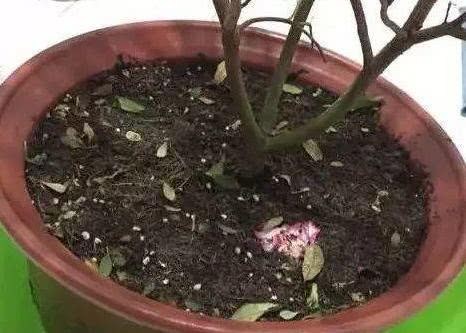
Azaleas, gardenias, camellias, and even succulents at home are dropping leaves! What on earth should you do? Today Huahua will analyze the causes for everyone and talk about the solutions. Flower friends who don't understand, hurry up and take a look!
Azalea
Growing Flowers Complete Guide
Cause one: Not adapting to the environment.
Azaleas bought at the flower market are generally grown in greenhouses. After coming home, they don't adapt to the new environment and easily drop leaves.
Solution:
Don't rush to repot and fertilize an azalea you just got. Pay attention to maintaining air humidity, spray water often, avoid direct sunlight, and once it has slowly adapted, resume normal care.
Cause two: Incorrect soil pH.
Azaleas like acidic soil. Growing azaleas in alkaline soil causes the leaves to turn yellow and fall off.
Solution:
When mixing soil, you can use leaf mold, since humus is acidic. In addition, you can usually dilute salt-free rice vinegar with water at 50 times and water the flowers with it, which can slowly change the acidity and alkalinity of the soil.
Cause three: Wrong placement location.
Azaleas cannot be exposed to strong sun. Too much light on a balcony will cause leaf drop. In addition, placing them somewhere without ventilation for a long time will also cause leaf drop.
Solution:
We can place the azalea somewhere at home with scattered light, such as the living room or a windowsill. Normally, open the windows indoors for ventilation to improve air quality.
Succulents
Growing Flowers Complete Guide
Cause one: Turning to mush, black rot, and leaf drop.
This is a fairly common cause of succulent leaf drop. If mushy succulents are not removed in time, it leads to black rot, and the leaves easily drop at the slightest touch.
Solution:
Once you find that a succulent has turned to mush, you should immediately remove the diseased leaves, otherwise the mold will continue to spread through the entire succulent. Once leaves start dropping, it means it is already in great danger, so be sure to clean up the diseased leaves thoroughly and destroy them.
Cause two: Too much water and too little light.
Succulents are very drought-tolerant and do not need frequent watering. Succulents love light very much. Watering too much and giving too little light will cause weak growth and easy leaf drop.
Solution:
Watering succulents once a week is enough. It is better to let them dry out than to let water accumulate. If the roots rot, the leaves will definitely drop. At the same time, let the succulents get plenty of sun so they can grow strong and not drop leaves.
Cause three: Natural leaf drop for reproduction.
This cause of leaf drop is normal. During the growth process, some leaves of succulents will naturally fall off. If your succulent has no other symptoms, then there is no need to worry.
Solution:
The fallen leaves can be used for leaf propagation to grow your own little succulent babies. First let the leaves dry in a ventilated place for one or two days, then lay them flat on the surface of the soil, spray a little water, and wait for them to sprout.
Gardenia
Growing Flowers Complete Guide
Cause one: Not enough air humidity.
Gardenias like water. If the air indoors is too dry, it can easily cause leaf drop.
Solution:
Prepare a spray bottle and often spray water around the gardenia. The leaves can also be sprayed. This can increase air humidity and ensure the gardenia has a suitable growing environment. Note that when there are flower buds, do not spray water on the buds.
Cause two: Lack of light.
Gardenias cannot be exposed to strong sun, but if they are kept indoors with insufficient light for a long time, the leaves' ability to carry out photosynthesis will decline, ultimately causing the leaves to wither and fall.
Solution:
During the day when the sunlight is not strong, you can move the gardenia to the balcony to get some sun, ensuring the leaves can carry out sufficient photosynthesis.
Cause three: Insufficient nutrients.
Flower growth needs enough nutritional support. After a gardenia has been grown for a long time, the fertility of the potting soil declines. If it cannot support its normal growth, it will cause leaf drop.
Solution:
You can apply a 0.1% concentration monopotassium phosphate solution, or mix chicken manure or bone meal into the soil as a base fertilizer. Once nutrients are sufficient, not only will the leaves be greener, but it will also promote the growth of branches and flower buds.
Camellia
Growing Flowers Complete Guide
Cause one: Water accumulation in the potting soil.
It is not true that the more you water, the faster the flowers grow! Water accumulation in the soil will cause root rot. The roots cannot normally absorb water and nutrients, so the leaves and branches cannot meet the conditions needed for growth, and therefore leaves drop.
Solution:
Be sure to pay attention to the amount when watering. The simplest method is to dig about 2 cm into the soil and check. If the soil feels very dry, then it is time to water. When watering, pour slowly, until water flows out from the bottom of the pot.
Cause two: Poor ventilation.
Growing camellias indoors often leads to poor ventilation, especially in winter. With poor ventilation and poor air quality, camellias will show leaf drop and bud drop.
Solution:
Pay attention to indoor air circulation and open the windows often to exchange the air, which is good for the healthy growth of camellias.
Cause three: Leaf drop caused by pests and diseases.
If a camellia is infected by pathogens, it will also drop leaves. The most common is anthracnose. Yellow spots will appear on the leaves, and afterward they will fall off.
Solution:
Once diseased leaves appear, remove and destroy them in time, otherwise they will slowly infect the entire camellia. You can regularly spray some carbendazim, which can effectively prevent infection by pathogens.
Flower friends, compare it with the situation of your own flowers
If leaves are dropping, hurry up and look for the cause!
Don't wait until it is bald with only stems left before dealing with it~
You are also welcome to ask Huahua about other questions!
?