Taiwan's distant-water fishing industry has yellow card maintained by the EU; March visit to Taiwan concluded enforcement inadequate
According to authoritative sources, Taiwan's expectation that the EU would lift the yellow card for distant-water fishing in March of this year (2018) has definitively fallen through. After officials from the EU Directorate-General for Maritime Affairs and Fisheries visited Taiwan in mid-March, they concluded that Taiwan had still not actively demonstrated its determination to combat IUU illegal fishing, and decided to temporarily maintain the yellow card status.
In response, TheNaturePlanet sought verification from the European Economic and Trade Office. The office did not deny it but said it was "not convenient to comment." Chen Chi-chung, deputy minister of the Council of Agriculture, who led a delegation to the EU Directorate-General for Maritime Affairs and Fisheries last year, said: "At present I cannot specifically respond to this news. We are now doing our utmost to fully implement the four aspects and 11 action plans required by the EU, and then the time for the EU to remove the yellow card will not be far off."
Fisheries Agency amends regulations and hardware, hoping to lift the yellow card
Taiwan's distant-water fishing industry was given a yellow card by the EU in October 2015 because of IUU "illegal, unreported, and unregulated" fishing. If the situation continues to worsen, it is highly likely to receive a "red card" penalty, that is, a full ban on the sale of Taiwan's distant-water catch to the EU. Besides affecting the livelihoods of an industry with an output value of 40 billion, even the entry and exit of Taiwan's fishing vessels at foreign ports would be affected.
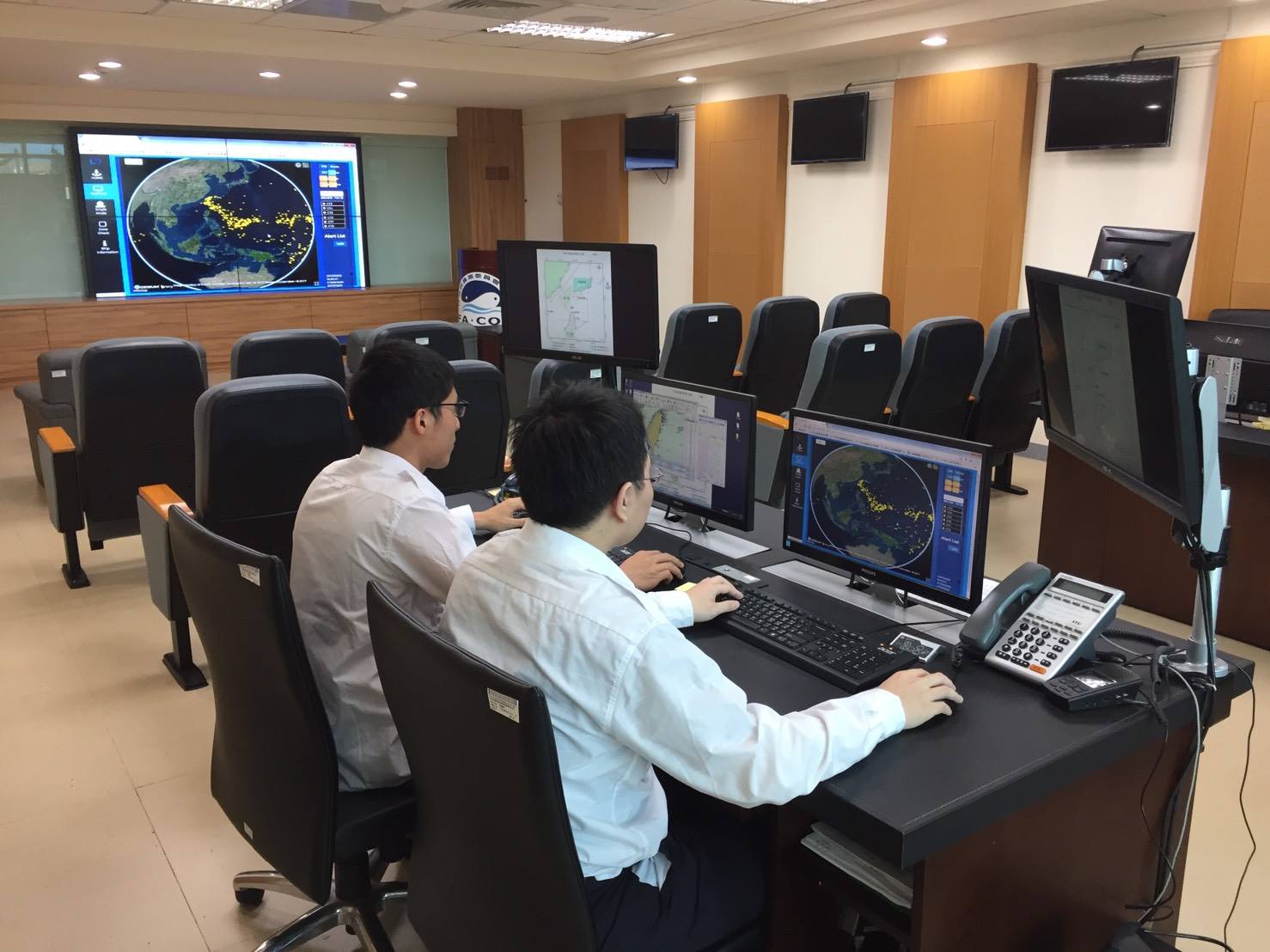
In order to remove the yellow card, agricultural authorities introduced multiple regulatory changes. In July 2016, the "Three Distant-Water Fisheries Laws" took effect, explicitly providing that operators with "major violations" would face fines of up to NT$6 million to NT$30 million, demonstrating determination to combat illegal fishing. The Fisheries Agency also established a "24-hour uninterrupted monitoring center" in 2017 to monitor the movements of about 1,200 distant-water fishing vessels from Taiwan throughout the entire process, and to combine this with actual observations by observers and the catch reporting system, in order to build a complete monitoring network and minimize illegal fishing.