Care Methods, Pruning Techniques and Benefits of Taiwanese Fig Bonsai
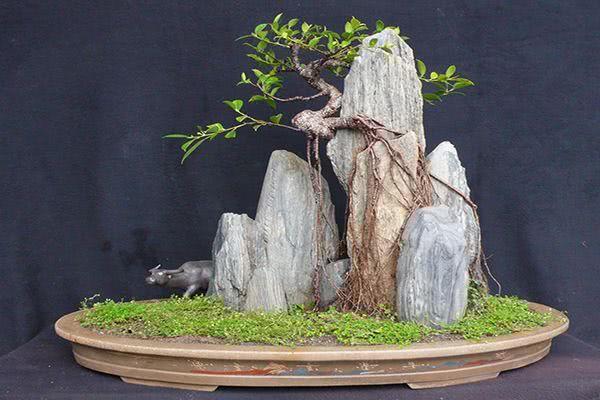
Taiwanese fig bonsai is loved by everyone because the fig bonsai has a graceful shape and is very ornamental. The fig tree was first called the "undying tree", with a large dense crown, deep roots, and a very thick crown, giving an overall feeling of weightiness and awe. When condensed into a small bonsai, it gives people a delicate feeling, and if aerial roots can be grown, the effect is even better.
Because the fig tree has a long life, growing it as a bonsai carries the meaning of longevity and health. Placing a vigorous fig bonsai at home is a unique scenic feature in the home, and can also reflect the owner's love of life and a relatively high quality of life. A Taiwanese fig bonsai with a unique, graceful shape and good growth can also be very valuable, with the function of investment appreciation.
When cultivating Taiwanese fig, you need to understand what habits they have. A common Taiwanese fig variety is the Taiwanese tiger-skin fig, which is very suitable for aerial root growth. From choosing soil, selecting a suitable container, to specific pruning and care, let's talk about it in detail.
Fig trees like a sunny, well-ventilated environment, so when choosing potting soil, choose one with good drainage and breathability. Too much water accumulation can easily cause the fig roots to rot. If the soil is not dry, there is no need to water; if you do water, water thoroughly, as this makes it easy for the fig to survive. The temperature difference between morning and evening should not be too large.
Because fig trees grow quickly, they need to be pruned once a year. If the fig grows faster, it can be pruned twice a year. The fig's shape is mainly achieved through pruning. Early spring is the best time to prune fig trees, but if you want to prune the fig bonsai in other seasons, that is also fine. When pruning, you can cut off dead branches, old branches, and overlapping forked parts. Rapidly growing branches have a great impact on the overall shape, and these branches can all be cut off.
Fig styling: Fig styling is done when it has just been potted. You can slightly bind it according to the fig's growth direction. Any commonly used binding method will do; you can choose the binding method you like to let the fig grow according to your guidance. Generally there are styles such as the lying-trunk style and the single-trunk style. A styled fig can also have aerial roots, which can make the fig landscape more beautiful, and the fig bonsai display can also reflect the cultivator's aesthetic taste.
When pruning, you need to pay attention to the parts, because the pruning process is also a test of aesthetics. If the pruning transition is unnatural, it will make the fig bonsai appear unnatural. When pruning, prune according to the fig's normal growth direction. If you prune it badly, you can find a way to remedy it, and that is to let the pruned part sprout branches again.