The new darling of potted plants, the little hedgehog that grows wild - love it or not, it's up to you
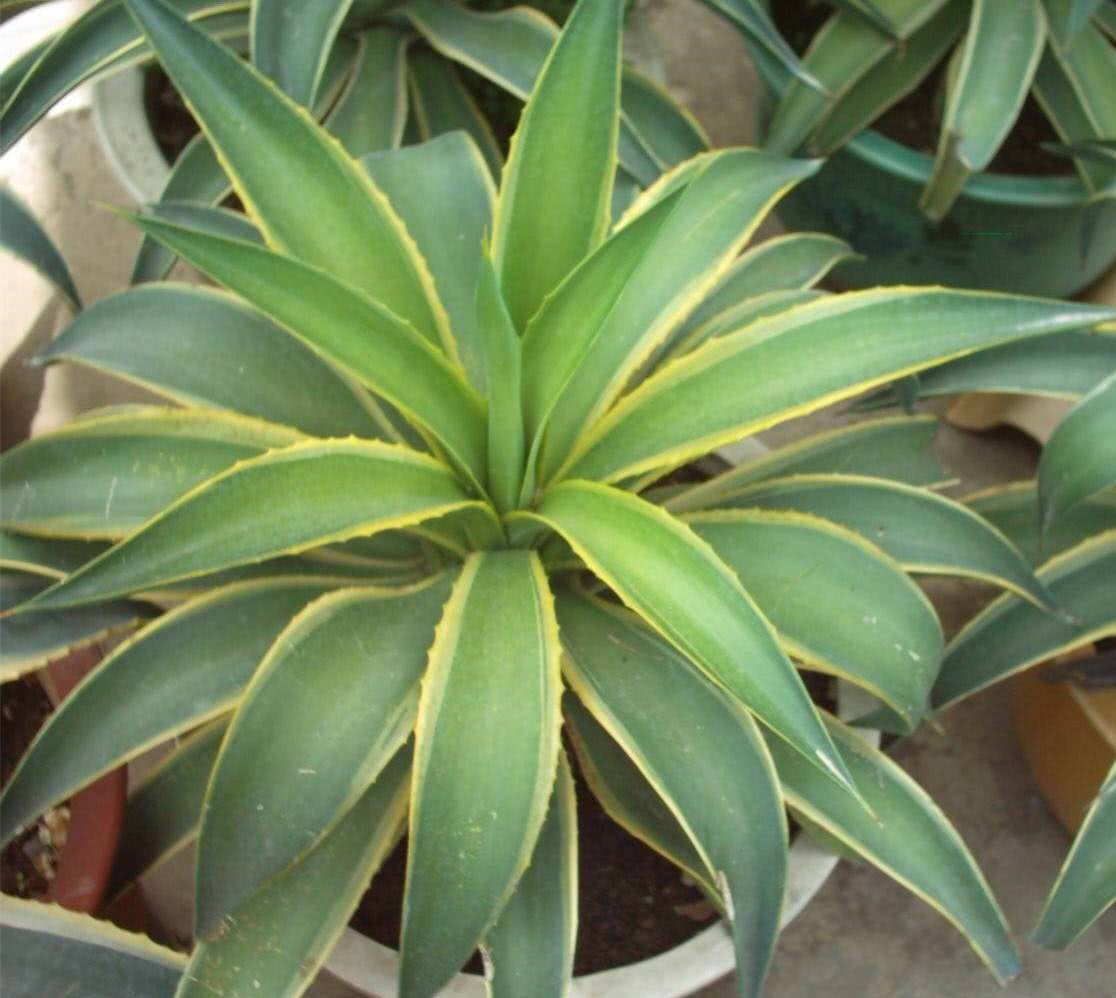
The new darling of potted plants, Agave, a little hedgehog growing wild, is deeply loved by flower enthusiasts. But there are still many flower enthusiasts who don't know how to better cultivate Agave. Let's take a look at the cultivation methods of Agave below.
The original growing environment of Agave often has quite intense sunlight, so Agave is very adaptable to environments with abundant sunlight. If the sunlight in the environment is not sufficient, it will be like a person who hasn't eaten, losing its original majestic appearance, becoming very ugly and depreciated in value.
Although Agave's soil requirements are not high, you still need to provide suitable soil and a good environment for it so that Agave can grow better. Generally, the potting soil for cultivating Agave can be made by mixing leaf mold and sandy loam in equal amounts. The maintenance secret of experienced flower enthusiasts is to bury a little bone meal as base fertilizer.
Agave's water requirements are not very high. Even in summer, there is no need to water every day. I generally water once a week, but note that each watering should be thorough. When the temperature is below 15°C, reduce watering, and when it is below 5°C, stop watering to avoid affecting its growth.
Agave's growth rate is very slow, so it does not need frequent repotting. If repotted frequently, not only will it not help the plant, but it will actually make Agave's growth worse. Agave is more suited to a dry environment, so its potting soil should use sandy soil with good drainage.
Most types of Agave plants bloom only once in their lifetime. After blooming, as the seeds mature, the plant gradually withers and dies. Agave generally accumulates nutrients over many years, then suddenly sprouts and grows wildly. However, this will exhaust all its energy. After the burst of growth, the Agave will soon wither and die, so the flowers must be cut.