These 5 roadside flowers and plants can be dug up and potted at home; easy to grow, good-looking and tasty
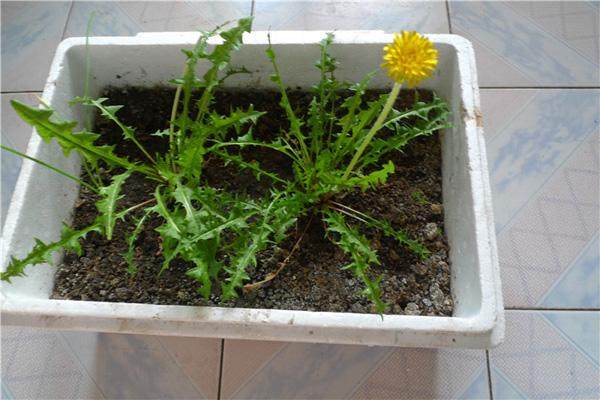
Actually, you don't necessarily have to spend money to buy plants for growing flowers. There are many flowers and plants by roadsides in the wild that look very beautiful when potted at home. Today I'll introduce several kinds of flowers and plants that can be found everywhere by the roadside. Dig them up and pot them at home; they are easy to grow and good-looking, and the key point is that they are especially tasty! And they all also have medicinal value.
1. Dandelion
Dandelion is one of the most common wild vegetables in spring. As the spring snow melts and after a few spring rains, it puts out tender yellow flowers. When I was in the countryside, I often went with my family to the edges of the fields to dig up some dandelions carrying the fragrance of soil. After bringing them home and blanching them with boiling water, we made all kinds of small dishes. They were very refreshing, and I can still remember that special taste to this day.
When digging roots in the wild, choose late autumn. When the dandelion leaves turn from green to red, that is the best time to dig them up. At this time, the dandelions dug up have a relatively high survival rate, and after a winter of care, they can also bloom and set seed in time in spring. In addition, dandelions sown in the same year have relatively slender and tender roots and stems, so it is best not to harvest them. Wait until the roots and stems grow thicker and stronger the next year before they can withstand having their leaves pinched off for eating.
2. Lambsquarters
Lambsquarters is very common. It grows in fields, field edges, roadsides, and around houses. The seedlings and tender stems and leaves of lambsquarters are edible, with a fresh taste, tender texture, and rich nutrition. Eating lambsquarters can help prevent anemia, promote children's growth and development, and also has certain health benefits for middle-aged and elderly people with calcium deficiency. Lambsquarters can also help prevent digestive tract parasites and eliminate bad breath.
3. Purslane
Purslane is a common weed in vegetable gardens, roadsides, and fields. Purslane can be eaten raw or cooked, and its soft stems can be prepared like spinach. However, if you are not quite used to its strong flavor, then do not use too much. The leaves at the top of the purslane stems are very tender and can be cooked like watercress. When I was little, my mother often made us purslane pancakes.
4. Plantain
Plantain grows in grasslands, river beaches, ditch edges, meadows, fields, and roadsides. From April to May, gather the young tender seedlings, blanch them lightly in boiling water, then serve them as a cold dish, dip them in sauce, stir-fry them, use them as filling, make soup, or mix with dough and steam them.
5. Wild mustard
As temperatures continue to rise after spring, shepherd's purse will also bloom by then. Once shepherd's purse has bloomed, its taste becomes much worse, so if you want to dig up shepherd's purse, you must do it early. Wild mustard has the effects of clearing heat and detoxifying, and promoting diuresis and reducing swelling.