Growing flowers isn't hard. Master these five points and you can grow any flower well
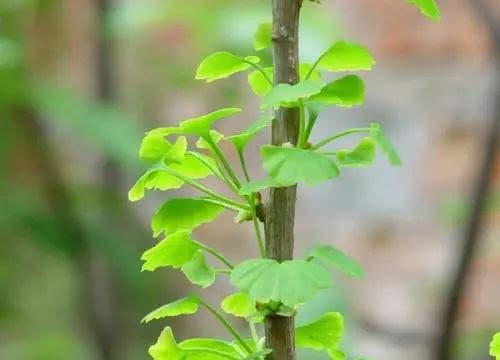
Many people love growing flowers, because they can decorate the home environment, purify the air, and offer a certain ornamental value. When you're tired from work, looking at plants can also help you relax. So how should plants be cared for?
1. Light
All plants need light, and even those that can tolerate low-light conditions need a certain amount of light every day. When placing plants, pay attention to the orientation of the window. Putting shade-loving plants in front of a south- or west-facing window easily scorches them, and likewise, putting sun-loving plants in front of a north-facing window can lead to spindly, weak growth.
2. Watering
Water is essential to plant life. It transports minerals within the plant, which is very important for keeping the plant upright. Water is mainly absorbed through the roots, then released from the leaf surface through internal transpiration, so it can improve air humidity and also helps lower indoor temperatures. Indoor environments are usually fairly dry, so plants evaporate quickly.
The main factors that cause plant death are usually related to a lack of watering skill. Watering must generally be decided according to the season and the light, and one principle should be followed: don't water if the soil isn't dry, and when you do water, water thoroughly!
3. Growing medium
After a plant has grown in a pot for a long time, long-term watering and fertilizing cause the soil to compact, making it hard for the plant to absorb water and air, and it may also prevent water from draining normally and lead to waterlogging. For plants kept for more than a year or two, the nutrients in the soil have also been mostly used up, and after the plant has grown, the original potting soil is certainly no longer suitable for growth. At this point you must repot and change the soil so the plant can grow well, and the new potting soil must also contain all the substances and conditions the plant needs to grow.
For plants whose roots are damaged or completely dried out, do not fertilize. The best approach is to change the growing medium so the plant can obtain normal moisture.
4. Fertilizing
Indoor plants usually receive much less light than outdoor plants. Therefore, they do not produce or use much nutrients, and if you fertilize, it may not be absorbed by them and may even do more harm than good. In most cases, applying a light fertilizer once or twice a year during the growing season is enough. The type of fertilizer also needs to be chosen according to the type of plant, and you must never apply a concentrated fertilizer, as it easily burns the roots.
For plants bought from a nursery or flower market, do not fertilize within a year, as the growing medium contains residual fertilizer. Fertilizing plants in moist medium will not burn the roots. However, watering just a few minutes before fertilizing is too late; you need to start watering a bit earlier.
5. Pest and disease control
Plant pests and diseases are generally very troublesome. When a plant suffers from pests or diseases, you must treat it according to the symptoms, and never act blindly, as it is very likely to fail to cure the problem and may even cause greater harm to the plant. You can choose from pest and disease treatments available on the market, or prepare your own pest-control remedies. Spring and summer each year are the peak periods for pests and diseases, so you can take some preventive measures in advance.