For orchids, this growing medium is the best: no root rot, fast seedling production, and vigorous flowering
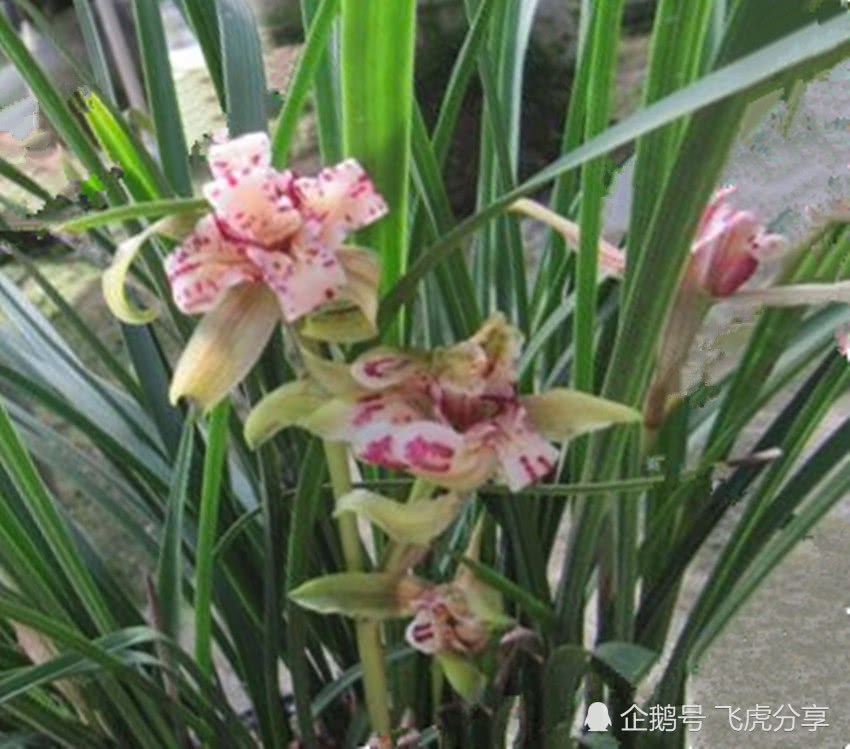
Most orchid growers know that orchid roots are very special: they rely entirely on orchid fungi (mycorrhizae) for growth. Therefore, a medium rich in beneficial orchid fungi produces fast root growth, thick and strong roots, easy seedling production, easy management, and vigorous flowering. Among the media I have used in my many years of growing orchids, there is one medium that contains natural beneficial orchid fungi. It successfully solves the problems of root rot, yellow leaves, no seedling production, and no flowering in orchid growing, making orchid growing very easy.
The medium I use for growing orchids is a mix of decomposed chestnut bark, chestnut leaves, leaf mold, and pine bark. After long-term use, I found that this medium does not easily break down into powder or become acidic, readily produces beneficial microbial communities for orchid growth, controls the formation of harmful fungi, and makes orchid roots grow thick and white, making it very suitable for orchid growth.
The only shortcoming of this medium is that fermentation takes a long time, requiring one year of fermentation. If some flower growers cannot find chestnut bark and chestnut leaves, they can also use willow bark and willow leaves as substitutes, and the effect is also good. However, during fermentation, the bark needs to be crushed, with a size of about 1 cm being best. The fermented medium is more suitable for the natural growth requirements of orchids, greatly improving the rooting and sprouting rate of orchids, making them flower better and more brightly colored, with a richer fragrance.
To grow orchids, first grow the roots; to grow the roots, first grow the fungi. This has been the basic requirement for growing orchids well since ancient times. But a substrate suitable for mycorrhizal development, creating a good ecological environment for orchid-fungus symbiosis, is the most important thing. Orchid growing medium is not only for orchid growth; it must also coordinate with water, air, temperature, and fertilizer, so as to benefit orchid root growth and, even more, the development of mycorrhizal fungi. In addition, when transplanting orchids, some of the medium around the roots should be kept and brought into the new medium. In this way, the orchid fungi can be brought into the new medium, producing more beneficial fungi. But the premise is to ensure that the orchid seedlings are healthy and disease-free; diseased orchid plants should not have their medium carried over. In addition, when transplanting orchids, try not to use chemical agents for disinfection, so as to reduce harm to the mycorrhizal fungi.