How to grow Lewisia so it thrives and fills the pot? A full breakdown of care tips
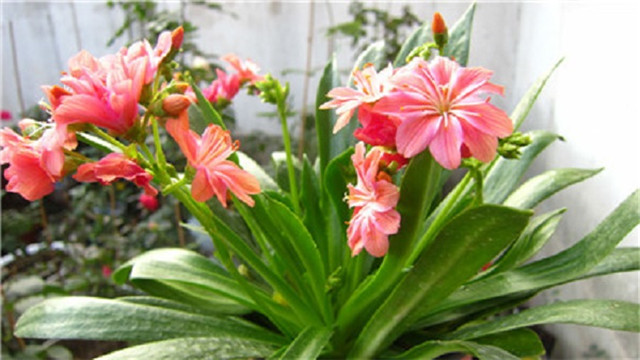
1. Choosing soil and flower pots
It originally grew in mountainous areas, so the soil for cultivating it should have some of the characteristics of mountain loam. It is best grown in fertile sandy soil. If you cannot find this kind of soil, you can use a mix of peat and perlite, which ensures air permeability and is better for its roots to breathe. The flower pot chosen must ensure air permeability, and a clay pot is a good choice.
2. Water and fertilizer
It dislikes being in a waterlogged state, and overly moist soil will cause root rot. In spring, sunlight is strong and water evaporates quickly, making it very easy for the plant to become short of water. If you notice the leaves wilting, water thoroughly to replenish moisture. In summer, do not water too much; watering once every half a month is enough.
The fertilizer used is generally fermented animal manure. When fertilizing, do not let it touch the roots, as too strong a fertilizer can burn the roots. Apply water-soluble fertilizer once a week, adding fertilizer while watering. Liquid fertilizer is recommended, as it is better for absorbing nutrients. After the first flowering ends, continue topdressing once a week, but reduce the amount of watering during this period.
3. Light and temperature
Generally speaking, succulents fear heat, and it also fears hot weather. In the hotter summer, it is best to place it in a cool air-conditioned room or on a north-facing balcony that avoids sunlight as much as possible, so that the temperature it is exposed to does not get too high. Next is the supply of light. If there is relatively humid weather with low light intensity, it needs a full-sun environment at that time; usually only half a day of sunlight is enough.