Rose with stem canker: watering less won't solve it
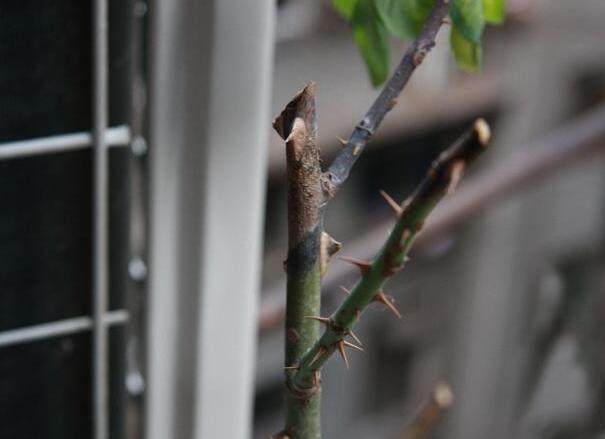
I happily bought a few roses and brought them home, grew them for a while, buds appeared, but then I gradually noticed the branches were withering. What on earth was going on? I hadn't watered them little, and they weren't drying out either. Just thinking about it made me a bit angry.
Later I looked up information and learned that withered rose branches are not caused by too little water but by a fungal infection, and in severe cases it can cause some branches and leaves to shrivel and die. What does rose stem canker look like?
It usually occurs on the branches and trunk. On the leaves there are small red spots that gradually darken in color; the center of the lesion is usually light brown, and the brown and purple edges around the lesion contrast clearly with the green of the stem. Gradually the fungal spores spread toward the edges, cracks appear in the stem epidermis, and in severe cases withering and death can occur.
To improve the rose's resistance, you can use an organic nutrient solution fermented purely from plants, rich and balanced in nitrogen, phosphorus and potassium, to promote strong rose plants with vigorous vitality and boost the plant's resistance.
Cause of the disease: the fungus generally deposits conidia on the branches. It occurs more often in winter and keeps spreading the following year. It usually infects through wounds on the rose branches, so when grafting and pruning, be careful not to let the fungus infect them.
Prevention and control methods: In late autumn, collect diseased and dead branches and burn them in a centralized way. Pruning should be done on sunny days. When the disease occurs, spray 50% Tuzet wettable powder, 70% chlorothalonil wettable powder, or a 1000-fold solution of 50% carbendazim wettable powder for control.