I Used to Kill Every Pothos I Owned - It Turns Out These Habits of Mine Were to Blame
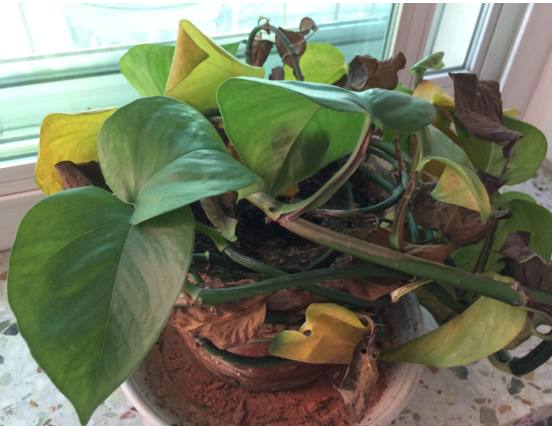
Spring is here, and more and more people are buying flowering potted plants to decorate their homes, hoping to bring greenery and blooms indoors. Indeed, a home with a splash of color becomes richer and more vibrant. I'm the same - I love using potted plants to brighten up my life. Every time I see how beautiful the pothos at the office is, I think about potting a few at home and putting them in my study or bedroom. But it never works out. Every plant I buy turns yellow before long, practically a one-time purchase. Constantly replacing them is tiring and a waste of money.
Later I specifically asked a friend who grows pothos well, and during our conversation I realized I had made a big mistake. Pothos likes shade, and strong light causes the leaf tips and edges to dry out, with yellow patches appearing on the sun-facing parts of the leaves. Conversely, if kept in a dark environment for a long time, the leaves can't get enough sunlight to form chlorophyll, which also causes pothos leaves to turn yellow, and light must be supplemented in time. But I had been leaving mine in direct sun the whole time, just so it could photosynthesize fully in the sunlight. That was probably the biggest problem that caused my pothos to wither and yellow. Thinking about it now, I really regret it - I thought I was doing it good, but in the end I was harming it.
There's another situation that easily causes pothos leaves to turn yellow: overwatering or underwatering can both cause water-related yellowing in pothos. If the leaf surface turns dull yellow and loses its shine, and new shoots shrivel and stop growing, it may be overwatering. But if the leaf tips or edges dry out and wither, new leaves grow normally, yet old leaves turn yellow and drop off, that's underwatering.
In autumn and winter, the amount of water given should be strictly controlled according to room temperature. Before the heating comes on, temperatures are lower, the soil in the pot evaporates more slowly, so watering should be reduced, with the amount controlled between 1/4 and 1/2 of the original. Even after the heating is on, watering should not be too frequent; pour less water into the pot and let it seep through the coir. In addition, water should also be sprayed on the aerial roots growing along the moss pole, to reduce insufficient root water uptake caused by overly fast evaporation. For winter watering, water that has been left to sit for a day is better; water that is too cold easily damages the roots.